
The post Renting a One-Bedroom vs. Studio Apartment appeared first on GET TO KNOW PMI.
]]>
Renting a One-Bedroom vs. Studio Apartment
If you're apartment searching, you've likely seen the terms "one bedroom" and "studio apartment" in many local listings. But what's the difference? People often use these terms interchangeably. However, each has unique features that may influence your apartment search. Consider the pros and cons of one-bedroom and studio apartments before making your final decision.
What Is a Studio Apartment?
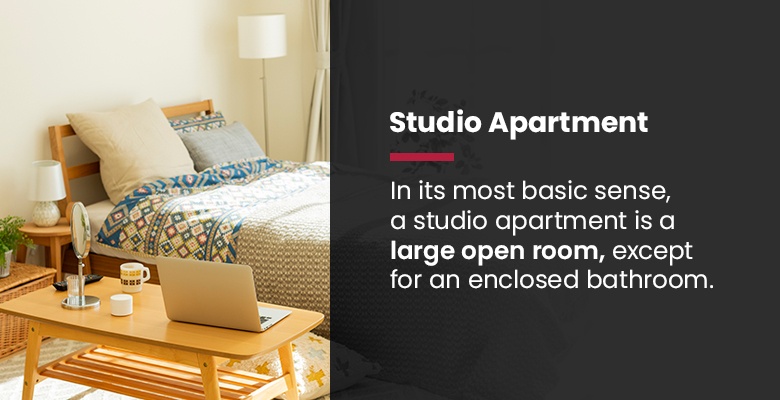
In its most basic sense, a studio apartment is a large open room, except for an enclosed bathroom. Somewhere within the room is a kitchenette, outfitted with the basic kitchen necessities.
Other apartment types have one or more rooms, like a bedroom or office, but a studio apartment is an all-in-one room. The only doors are a front door, bathroom door, and a balcony door on occasion. You can still have designated bedroom and living areas, depending on how you furnish your apartment.
Different Versions of Studio Apartments
To be considered a studio apartment, no walls should completely divide the living space into multiple rooms besides the bathroom. Architects can manipulate the studio apartment layout to create different versions, including:
-
Alcove studios: In a typical studio apartment, residents use dividers to separate their bedroom from other living areas. In an alcove studio, architects design a division for you. Alcove studio layouts have a designated bedroom nook, like a loft, for example. The apartment still has an open concept otherwise.
-
Efficiency: Think of efficiency apartments as a more "efficient" use of space. They're considerably smaller than a typical studio apartment and don't have as many amenities. The biggest difference between an efficiency and studio apartment is the kitchen. Accommodating the smaller space, efficiency apartments usually lack counter space and certain appliances, like a dishwasher or full-sized fridge.
-
Junior one-bedroom apartment: A junior one-bedroom apartment is a mix between a studio and a one-bedroom apartment. Junior one-bedroom apartments are usually larger than a typical studio apartment, but not always. The biggest difference is the bedroom space. A junior one-bedroom apartment has a partially installed or permanent wall separating the bedroom from the rest of the apartment. The bedroom area isn't fully enclosed, but the partial wall provides added privacy.
Some studio apartment listings don't go into the specifics. You can typically determine which version the apartment is by looking at the layout and utilities. The listing price may be an indication, too. Efficiency apartments are generally less expensive than alcove studios, with junior one-bedroom apartments being the most costly version.
Furnishing a Studio Apartment
Decorating a studio apartment can be tricky. Residents have to tap into their interior design skills to transform one room into a kitchen, living room, bedroom, and potentially more. The best way to decorate your studio apartment is to break the area into zones. In other apartment types, you have walls that break the home into zones. In a studio apartment, you have to create your own zones using:
-
A room divider
-
Hanging art
-
Curtains
-
Color blocking
-
Larger furniture, like bookshelves
Less is more. Stuffing too much furniture and decor in a studio apartment can make the room feel dense and congested. Choose your furniture strategically, and commit to a single color palette to make zoning easier.
What Is a One-Bedroom Apartment?
A one-bedroom apartment has a kitchen area, an enclosed bathroom, and a bedroom complete with four walls and a door. It typically has more storage space, too, with closets included in the apartment's layout.
One-bedroom apartment layouts vary. Some have a combined living and kitchen area, while others separate rooms with half walls or archways. Additional square footage may allow for more utilities and closet or bathroom space, but it is not always guaranteed. The determining characteristic of a one-bedroom apartment is a separate, enclosed bedroom.
Furnishing a One-Bedroom Apartment
While studio apartments require larger furnishings to divide the space into functional rooms, one-bedroom apartments require a larger investment in smaller details like:
-
Organizational items for storage space
-
Paintings or decorations for each room
-
Carpets and rugs
-
Lamps
You will likely have more storage spaces to organize and other nooks and crannies to consider in a one-bedroom apartment. If you plan to host guests, you may want to invest in a pullout bed, place settings, a larger kitchen table, and other items to accommodate the extra persons. Some people prefer having these features, while others enjoy the simplicity of a studio apartment.
What Are the Differences Between a Studio and One-Bedroom Apartment?
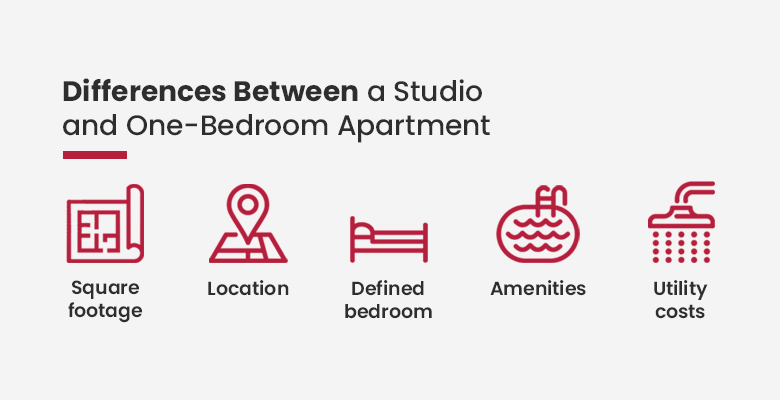
Although the terms are commonly used interchangeably, studio and one-bedroom apartments have some differences, such as:
-
Square footage: The average studio apartment is around 500 square feet but can range anywhere from 300 square feet to 1,000 square feet. One-bedroom apartments have a similar range but a higher average of 750 square feet.
-
Location: Studios are more popular in urban areas with limited space and a higher population. Many urban apartment complexes prefer building studios with smaller square footage. Less-populated suburban areas have more space to spare, so you'll find more one-bedroom apartments.
-
Defined bedroom: The key difference between a studio and a one-bedroom apartment is the presence of a bedroom. Because one-bedroom apartments have more square footage, architects can easily include a bedroom in the apartment layout. Studio apartments don't have this luxury. However, you can use your interior design skills to make space in your studio apartment for a bedroom.
-
Amenities: A studio apartment's limited floor plan doesn't leave much room for in-unit amenities. You'll have the basics — a fridge, some counter space, a shower, a kitchen sink — but you aren't guaranteed much else. One-bedroom apartments are more likely to have convenient appliances like a washer, dryer, and dishwasher.
-
Utility costs: Although residents in a one-bedroom apartment benefit from convenience, having more utilities means having a higher utility bill. Studio apartment residents tend to use less water and electricity. Plus, it requires less energy to heat or cool a studio apartment than a one-bedroom apartment because of the difference in square footage.
The differences are small, but they may influence your final decision of which apartment type is best for you.
How Are Studios and One-Bedroom Apartments Similar?
Besides the few differences, studios and one-bedroom apartments are fairly similar. Both studios and one-bedroom apartments are:
-
Popular for single residents: Compared to the average single-family house, which is around 2,301 square feet, studios and one-bedroom apartments are small. For comfort and functionality, a studio and one-bedroom apartment best accommodates a single resident or two residents if the space is larger.
-
Used interchangeably: Until you break down each characteristic, studio and one-bedroom apartments share many qualities. People often use the two apartment types interchangeably when comparing them to larger housing alternatives, such as townhomes or multi-bedroom apartments.
-
Less expensive than multi-bedroom homes: Multi-bedroom apartments have more square footage to fit extra rooms. With more space comes higher utility prices. Studio and one-bedroom apartments give you just the right amount of space you need with a lower monthly price.
Usually, apartment-hunters first decide they want a smaller housing alternative. Then, they weigh the pros and cons of both studio and one-bedroom apartments and make their final decision based on their capabilities.
The Pros and Cons of a Studio Apartment
Studio apartments are best for single residents with a smaller budget and those who enjoy getting creative with their decorating. Thinking about moving into a studio apartment? Consider the pros and cons.
The pros of living in a studio apartment include:
-
Less expensive: As outlined earlier, studio apartments are less expensive than one-bedroom apartments. Factors that determine an apartment's rent are the amount of square footage, utilities, and other amenities the apartment offers. Because studios have smaller square footage and limited utilities, the costs are lower.
-
Lower utility costs: The monthly rent for a studio apartment is low, as well as the monthly utilities owed. Having limited utilities has its advantages, like needing less energy or water during your daily routine.
-
Simple floor plan: Larger homes can have a maze of rooms to decorate and furnish. Even one-bedroom apartments have extra space and walls to navigate. Studio apartments have a simple, all-in-one floor plan that is straightforward to furnish and live in.
The cons of living in a studio apartment include:
-
Smaller space: Although a studio apartment's floor plan is fairly straightforward, there's less space to perform your daily activities. A smaller space also limits your options for pets and social event hosting. You likely have enough space for the occasional visitor, but hosting a large gathering will prove challenging.
-
Lack of privacy: A studio apartment's open concept doesn't leave much hidden. All your guests can see your sleeping and living area, closet, photographs, and other belongings from almost every angle of your studio apartment.
-
Fewer amenities: As highlighted, a studio apartment's smaller square footage allows for limited amenities.
The Pros and Cons of a One-Bedroom Apartment
One-bedroom apartments are good for single residents or two residents sharing a bedroom who have more room in their budget. Are you leaning toward a one-bedroom apartment? Consider the pros and cons.
The pros of living in a one-bedroom apartment include:
-
Larger space: More square footage means more room for activities. If you're someone who likes to decorate, you may enjoy the extra wall or floor space. The added space allows you to host more people, as well.
-
More privacy: As you're hosting, you don't have to worry about your guests seeing every aspect of your life. An enclosed bedroom allows you to store your valuable and personal items more comfortably. If you're a remote worker, you can also benefit from the mental separation from your work and sleep space.
-
More amenities: Many one-bedroom apartments come with added amenities, like a dishwasher and in-unit washer and dryer. Added amenities make for comfortable living and save you timely and costly trips to the laundromat.
The cons of living in a one-bedroom apartment include:
-
Higher costs: By choosing a one-bedroom apartment, you're going to end up paying more money for more square footage and utilities. With more utilities comes higher utility costs per month. If you have the room in your budget, these higher costs may be worth it.
-
More to clean: One-bedroom apartments give you more room to live in, as well as more space to clean. Some of the added amenities, like a dishwasher and washing machine, make it easier to keep your space clean.
Considering the pros and cons of both options, carefully think about what you can accommodate. When choosing between a studio and one-bedroom apartment, ask the following questions:
1. What's Your Budget?
As you're touring apartments, ask the leasing agents about their income requirements. If you have a larger budget, consider choosing a one-bedroom apartment. Or, you may choose a studio apartment if you want to allocate more of your income to savings or spending money. The right apartment for you depends on your personal goals and capabilities.
2. Where Do You Want to Live?
A one-bedroom city apartment is a lot different than one in a rural location. If you are a person who loves the bustling city and close living proximities, you'll benefit from a studio apartment. Studio apartments are most common in these city areas and can save you hundreds on rent compared to choosing a one-bedroom apartment.
You might have a harder time finding a studio apartment in rural areas. One-bedroom apartments are much more common. You may even spend less on rent for a one-bedroom rural apartment than a city studio apartment compared.
3. How Long Do You Plan to Rent in the Area?
Renting is a good option if you plan on living in an area for a short or undetermined amount of time. If you plan to rent for longer, you may appreciate the extra living space and privacy of a one-bedroom apartment.
If you have a smaller budget for moving, rent, and utilities, temporarily living in a studio apartment may be a good option for you. If you're participating in an internship or a student lease, a studio apartment may fit your temporary lifestyle. You may want to wait until you feel established and familiar with the area to commit to a more expensive one-bedroom apartment.
4. Do You Need More Space?
What is your daily routine like? If you find yourself constantly moving around your apartment or you enjoy having space to work out and stay active, you'll benefit from a one-bedroom apartment's square footage. Studio apartments are best for people who don't mind a more confined environment. With the strategic use of space, you can still have a dedicated movement area, but it's much harder to achieve than with a one-bedroom apartment.
5. Are You OK With Having Fewer In-Unit Amenities?
A washer and dryer are on some people's must-have list. Others don't mind the weekly trip to the laundromat. Some residents don't have the time to manually clean dishes and prefer having a dishwasher.
If you can't imagine a lifestyle without added amenities, a one-bedroom apartment may be the best option for you. Keep in mind that every apartment is different. A one-bedroom apartment isn't guaranteed to have many utilities, while some studio apartments may. Talk to the leasing agent and inquire about the in-unit utilities and complex amenities.
6. Do You Like Cleaning?
Cleaning can be very therapeutic. Some people enjoy their weekend cleaning rituals. Others with busy schedules don't have the time to clean — or they don't enjoy cleaning altogether.
Studio apartments have less space to clean, making cleaning a breeze. On average, one-bedroom apartments have more space to clean, so residents can expect additional cleaning time. If cleaning time is important to you, keep in-unit utilities in mind.
7. How Much Furniture Do You Have?
Take inventory of the furniture you have. Studio apartments require less furniture to decorate and furnish fully. If you add too much furniture, you risk making the apartment feel crowded and less homey. One-bedroom apartments are best for people with a lot of larger furniture because there is more space to furnish and live comfortably.
You also have the option of selling your furniture. You can use the money to buy smaller furniture that better fits into a studio apartment or to cover some of the moving costs.

8. Do You Have Pets?
Talk to the leasing agent about their pet policy. If you choose to live in a studio apartment, larger house pets like a dog may not enjoy the confined space. Certain one-bedroom apartments may be too small for larger house animals, too. Cats, hamsters, and other smaller pets may be a better fit. Pets may feel more comfortable in an apartment with more square footage, making a one-bedroom apartment your best option.
9. How Many People Are Moving With You?
Both studio and one-bedroom apartments are ideal for single residents. If you're moving in with a partner and plan to share a bedroom, a one-bedroom apartment will provide more breathing room and more comfortable living. It's recommended that only one resident lives in a studio apartment for privacy, functionality, and comfort.
10. Do You Like Entertaining Guests?
Are you an introvert? Or, do you prefer going to a friend's house over entertaining guests at your own apartment? If so, a studio apartment is a reasonable option for you. Studio apartments can accommodate the occasional guest but aren't ideal for a large group of guests.
11. Are You OK With Less Privacy?
When you or anyone else walks into your studio apartment, everything is visible. As you're cooking in the kitchen, all your guests sitting in the living room will be an arms reach away. The only real privacy you will have in a studio apartment is in the restroom. A one-bedroom apartment provides much more privacy. If you have a guest overnight, you can comfortably sleep in your bedroom while they relax in the living room.
Some people don't mind the openness of a studio apartment, while some prefer having their privacy.

Property Management, Inc. Can Help Find the Right Apartment for You
If you're in the Pennsylvania area, let our property management professionals at Property Management, Inc. help you find an ideal living space. We have over 50 years of experience in Harrisburg, Williamsport, State College, Reading, and many other areas, and we're dedicated to helping you find the best apartment for you.
Browse our available apartment rentals online. If you find an apartment you love, contact us right from the listing! We'll be happy to share all the in-unit utilities, amenities, pet policies, and any other information.
The post Renting a One-Bedroom vs. Studio Apartment appeared first on GET TO KNOW PMI.
]]>The post Renting an Apartment vs. Buying a Home appeared first on GET TO KNOW PMI.
]]>
Moving to a new town or city, finding a better area to live, or getting your first place on your own? Whatever your reason for relocation, looking for a new place to live comes with so many challenges and considerations. What kind of neighborhood will you be living in? How far will you be from shopping centers, attractions, and essentials? What does the cost of living look like? Even more importantly, when you're researching where to put down roots, you'll be considering key questions like: Is buying a house better than renting an apartment? Is renting an apartment easier? Which will save you more money or bring you better returns in the long run?
When it comes to deciding whether to rent an apartment or buy a house, the right choice really comes down to your lifestyle, your budget, your personal preferences, and your circumstances. While buying a house was once the more traditional and popular choice — as people put down their roots and began families earlier in life — most young people today choose to rent apartments when they're starting life independently and then progress to purchasing houses as they mature, move up in their careers, build savings, and have families.
The homeownership rate today is relatively low, with 64.2 percent of Americans owning their own houses in 2018. On the other hand, rental rates are high, with a national vacancy rate of only seven percent in the beginning of 2018. That means the other 93 percent of rental properties are occupied.
While these U.S. Census averages seem to indicate renting is the more widespread choice, both buying a house and renting an apartment have their advantages and disadvantages. If you're looking for help making the choice, we're here to guide you. From considering apartments vs. houses based on budget to considering some general renting vs. buying pros and cons, here's everything you need to know about buying a house vs. renting an apartment.
Costs of Buying a House
Before you dig into the fine details of lifestyle, location, space, and other living considerations, it's essential to think about your budget and break down the costs involved in both buying a house and renting an apartment to determine which might make more sense financially.
While buying and owning a house involves some steep upfront expenses, it can also provide financial returns over time, so consider whether you're interested in making a long-term investment. Here are the costs you can expect when buying a home:

1. Down Payment
When purchasing a home, you'll be expected to provide a percentage of the price upfront before securing the property. This is your down payment. While the amount you pay depends on the local market, your mortgage type, and your personal credit score, the cost can range from 3.5 percent of the home's value up to 20 percent or higher.
2. Earnest Money
In addition to your down payment, you're typically expected to provide an earnest money deposit with your purchasing offer to show you're serious about buying the property. Generally, you can expect to provide up to three percent of the house's value upfront depending on the market. Your deposit will go towards the purchase of your home once the sale is approved.
3. Home Appraisal
When you're taking out a mortgage to help finance your new house, a loan approval from your lender will most likely require a home appraisal to make sure the house's value matches that of the asking price. Before or during the inspection of your new home — including consideration of the interior, exterior, property size, improvements, and additional features — you'll pay a fee of about $300 to $400 for the average home.

4. Home Inspection
When you're deciding whether to buy a home, it's probably a good idea to hire a home inspector to spot any defects or potential problems you might not have an eye for as an inexperienced buyer. Your home inspection will likely cost about the same as a home appraisal and you'll most likely pay at the time of inspection.
5. Property Taxes
When you own a home, you're responsible for paying property taxes set by your county or city to support local schools, public services, and infrastructure costs. While tax rates are subject to change each year and vary from location to location, you will pay property taxes both upfront when purchasing and annually, or in monthly escrow payments.
6. Homeowner's Insurance
Insuring your new home is a requirement both prior to closing to ensure loan approval and every year of ownership to protect your property against accidents, weather, and other threats. While homeowner's insurance costs are variable based on your credit score, coverage limits, and policy deductible, as well as your home's location, contents, value, and style, the average annual premium is about $1,173 in 2015 and will likely continue to rise. You'll pay your first annual premium upfront with the sale of your house and continue to pay annually or in monthly escrow payments.

7. Closing Costs
In addition to inspection, appraisal, and down payment costs for purchasing your home, you'll face a variety of other closing costs with the sale, including credit report fee, loan origination costs, recording taxes, lender's and owner's title insurance, and a closing fee, among others. You can expect your closing costs to range from two to five percent of the total sale.
8. Mortgage Payments
Once you've purchased your new home, you'll need to keep up with monthly payments on the principal and interest of your mortgage payment for its entire duration — usually for 15 or 30 years. Depending on whether you have a fixed-rate or adjustable-rate mortgage, your rates will either remain constant or vary, but you'll pay your mortgage fee as part of your monthly escrow.
9. Maintenance, Repairs, and Renovations
Owning a home comes with the responsibility of keeping up with and paying for regular maintenance and repairs as well as renovations to improve your house's quality, value, and appeal over the years. Addressing uninsured damage, replacing appliances and fixtures, taking care of interior and exterior paint jobs, maintaining mechanical elements, replacing carpets, and installing home improvements can be costly and vary greatly depending on the job. But good quality will increase your property value over time.
10. Utilities
Unlike renting, owning a home means you're responsible for paying all property utilities and services, including electric, gas, water, cable, internet, recycling, and garbage. The monthly or quarterly cost of each will vary by property, location, and personal usage.
11. Furnishings
When you're a first-time homebuyer, odds are good you don't have the amount or array of furniture and fixtures you need to fill your bigger space. You'll need to budget for the amount of spending necessary to purchase new furnishings and decorations to adorn your home.
12. Moving Costs
Whether you're buying a house or renting an apartment, moving costs will be a part of any moving experience. Depending on how much you need to move, how far you're relocating, what season you move in, and whether you use a professional service or rent your own truck, moving costs can range from $100 to $1,000 or more.
Costs of Renting an Apartment
While renting an apartment typically involves fewer upfront costs than buying a home, there are definitely expenses involved. Here are the typical costs of renting an apartment:
1. Security Deposit
When you sign your lease agreement to rent your new apartment, your property manager will typically require a security deposit to protect against property damage, broken leases, delinquent rent, and other expenses. Your security deposit might be up to 1.5 times the cost of your monthly rent.
2. Rent and Pet Rent
Rent varies greatly depending on property size, location, age, condition, number of occupants, and local market, but you'll be expected to pay monthly rent on a strict payment schedule. If you have pets, you might be expected to provide a pet deposit, monthly pet rent, or both, to protect against possible pet damage. In addition, unless you live in a rent-protected property, your rental rate can increase whenever you sign a new lease.
3. Renter's Insurance
Unlike homeowner's insurance, renter's insurance isn't typically required to secure a lease, but it helps to protect your possessions against theft, damages, fires, and other threats. While your insurance rates will vary based on deductibles, coverage limits, the value of your property, and other factors, the average monthly cost of renter's insurance is as low as $15.
4. Utilities
Some rental properties include certain utilities — like water, gas, electric, trash, lawn care, and snow removal — in the cost of rent, especially if you live in a large apartment complex. Other rental properties, however, may leave the responsibility of all or most of the utility costs to the tenant. What you pay depends on where you rent and how much you use.
5. Laundry
Many rental apartment units will not include an in-house washer and dryer, so you'll either need to use your building's coin-operated machines or find a local laundromat. You can expect to spend $2 to $4 per load, so you'll have to budget and plan your visits to the laundry machines according to what you can afford each week.
Pros and Cons of Buying a House
Now that you're familiar with the overall costs involved in buying a house vs. renting an apartment, it's time to delve into the more complex pros and cons of choosing each for your lifestyle. Here are the advantages and disadvantages of buying a home.
Pros
While expensive, home ownership does provide plenty of advantages:
1. Tax Benefits
Owning a home can make you eligible for specific tax benefits, including homestead exemption — which exempts homes occupied by their owners from part of the regular property tax burden — and federal tax deductions — which allow you to itemize your federal income taxes, deduct property taxes and mortgage interest, and reduce the total burden of your income tax.
2. Investment Building Over Time
Unlike a rental property, buying a home is an investment — meaning you build equity as you pay off your loan, owning a bit more of the house until you've paid it off in full, and you also benefit from your home's value increasing over time. You can boost your value with home improvements and increase your property's overall worth, making it both easier to refinance when you need more funds and worth more in profit if you ever decide to sell.

3. Possible Source of Income
One of the best benefits of owning a home is your freedom to do what you like with it. If you're comfortable with the idea, need more cash, and follow all local rental property laws, you can turn your home investment into a source of income by renting out rooms, floors, or even the whole house to tenants.
4. Community Roots
Because homeowners are putting time and money into their houses, they tend to stay in their homes longer, put down more roots, start families, and engage with their communities more than a temporary apartment-renter might. Owning a property will give you a sense of belonging and encourage you to get involved in other parts of your community, like associations, clubs, volunteer organizations, businesses, and more.
5. More Creative License
While property managers will impose limitations and rules regarding how you can treat, decorate, and renovate your property, owning your own house opens up so many avenues of creative and decorative possibility, from painting and hanging art on your walls to embarking on DIY renovation projects like finishing your basement, adding new fixtures and appliances, updating your rooms, and building onto your property. Your home is your canvas.
Cons
Despite the numerous benefits of owning a house, it comes with its downsides as well, including:
1. Cost of Maintenance and Repairs
In a rental apartment, you can call your property manager whenever you have an issue with plumbing, electric, broken appliances, or other defects, and your property manager will be responsible for both handling and paying for maintenance and repairs. When you own a house, the tasks and expenses are your responsibility alone.

2. Steep Upfront Costs
With numerous upfront fees, including your down payment, earnest money, home appraisal, and more, buying a house involves a lot of expenses both upfront and over time.
3. Potential Financial Loss
Homes can increase in value over time. While you have the chance to build equity and make profits, you also run the risk of losing money on your investment if your home decreases in value instead, depreciating your assets based on the local or national market.
4. Long-Term Financial Commitment
Homes are a significant investment. From mortgage payments and property taxes to maintenance, repairs, and renovations, you will need to continue to pour money into them over the years. When you buy a house, you're making a long-term commitment to care for it and pay for it, so make sure you're prepared mentally and financially.
5. Long-Term Lifestyle Commitment
If you have the kind of lifestyle that requires constant movement or you like to keep things temporary to make life interesting, home ownership probably isn't for you. In addition to the time, money, and maintenance you'll put into your new home, you'll also need to go through a complicated selling process if you need to move. Unless you're ready to settle down and put down long-term roots, think twice before buying a house.
6. Lack of Furnishings
Some apartments come furnished, but a new house won't. You'll need to be prepared to purchase a full set of furniture and provide every living essential for yourself.
7. No Included Utilities
As we mentioned before, owning a home means you're responsible for the price and management of every utility you need.
Pros and Cons of Renting an Apartment
Offering an easier transition and a more temporary lifestyle, apartments are the choice of many — from young beginners to retirees looking to downsize. If you're considering renting, here are the advantages and disadvantages to help you decide:
Pros
Easy to lease and often inexpensive, apartments offer a variety of benefits, including:
1. Easier Relocation
Renting an apartment means you have less space to work with and therefore fewer possessions. If you're not certain about putting down roots yet or prefer to live more minimally, apartments offer an easier relocation process and more flexibility when it comes to your lifestyle. If you need or want to pick up and move away at some point, there's no drawn-out sales process — it's as easy as waiting until your lease ends and leaving.

2. No Repair or Maintenance Costs
Because you won't own your apartment, you don't have to worry about scheduling repair and budgeting for fees every time a pipe bursts or an appliance stops working. Your property manager is responsible for handling the details and expenses of all maintenance and repairs, so all you have to do is make a call when you need assistance.
3. Less Strict Credit Requirements
While buying a house requires stricter, higher credit scores and comprehensive checks, renting an apartment is more lenient. As long as your credit score is decent and you don't have any bankruptcies on your record, you're likely to be approved for the lease you want.
4. Included Utilities
Although not all apartment complexes cover all utilities, some complexes and units include some utilities in the cost of your monthly rent, meaning you save money and time while homeowners pay up to hundreds of dollars for utilities each month. Included utilities also mean you won't have to worry as much about your usage.
5. Better Locations
While houses are likely located in quieter neighborhoods farther from the hub of your town or city, you're more likely to find apartment complexes in prime locations near the best shopping, attractions, nightlife, and other entertainment. Downtown locations can be especially valuable for young tenants.
6. No Concern for Real Estate Market
Homeowners have to worry about market value, economic conditions, and which way their property's value fluctuates in response. But as a renter, you don't need to concern yourself with anything but paying your rent.
7. Less Expensive Up-Front
Renting an apartment doesn't include any of the costly fees you pay for a house upfront. You just need to provide a security deposit and your first month's rent and then you're ready to move in.
8. Sometimes Included Furnishings
While it's not common and will cost more in monthly rent, some apartments come fully furnished for your convenience, sparing you the cost and effort of buying, moving, and arranging all your own furniture.
Cons
In addition to the host of benefits renting an apartment boasts, it does have some drawbacks:
1. No Federal Tax Benefits
While homeowners can claim some tax exemptions, you won't be able to as a renter because your apartment isn't technically your property.
2. No Equity-Building Over Time
Although homeowners are responsible for much steeper costs in acquiring and maintaining their houses, they can also reap the rewards of building equity and increasing their home's value over time. Renting an apartment may be easier, but it doesn't give you this opportunity to invest and benefit from appreciation.
5. Less Control Over Ongoing Costs
While your rent is set for the term of your lease, once you renew or sign a new lease, the rate is subject to change. You'll have little control over what you might pay monthly in the future. Paying your rent in a timely manner, being a good tenant, and keeping on good terms with your leasing agent will give you a better chance of avoiding large rent increases, but it's always a possibility when your lease expires.
Rent an Apartment With PMI
If you've looked at all the pros and cons of renting vs. buying and you've decided to opt for an apartment, Property Management, Inc. is the perfect place to look in Central PA. Offering beautiful rental apartments and townhomes across Harrisburg, Shippensburg, State College, Williamsport, and Mechanicsburg in a wide variety of styles — from budget-friendly to luxury — we've been dedicated to providing living options that fit your lifestyle for the past 50 years. Check out our currently available rental apartments and get a head-start on your new life today!
Buy an R&L Home
R&L Homes offers brand new single family homes and townhouses throughout central Pennsylvania. Explore R&L communities and discover why R&L Homes is the premier home builder in central Pennsylvania.
The post Renting an Apartment vs. Buying a Home appeared first on GET TO KNOW PMI.
]]>