
The post Introducing PMI’s Corporate Headquarters appeared first on GET TO KNOW PMI.
]]>
Property Management, Inc., we specialize in providing superior property management services — and for us, that starts at home. That's why we're so excited to introduce our new office location at 350 Poplar Church Road in Camp Hill! This new location gives us extra space for our team to comfortably work collaboratively and also have room to grow.
PERKS OF OUR NEW LOCATION
More space is just the beginning of why our new Camp Hill location is the perfect place for us to be. Our top-notch amenities include:
- Beautiful views: We're right across the river from downtown Harrisburg. A glance out our windows will show you the beautiful Susquehanna River and views of Harrisburg City.
- An excellent new cafe: Stay caffeinated and well-fed by visiting our modern cafe, complete with food storage space and snacks and meals available for purchase.
- Outdoor entertaining space: It's the perfect area for informal meetings and fun company events.
CONTACT INFORMATION
Even though our location is changing, we're still the same team. Our phone number remains 717-730-4141, Our mailing address is P.O. Box 8899, Camp Hill, Pa 17001. Our physical address is 350 Poplar Church Rd, Camp Hill, Pa, 17011.
The post Introducing PMI’s Corporate Headquarters appeared first on GET TO KNOW PMI.
]]>The post Renting a One-Bedroom vs. Studio Apartment appeared first on GET TO KNOW PMI.
]]>
Renting a One-Bedroom vs. Studio Apartment
If you're apartment searching, you've likely seen the terms "one bedroom" and "studio apartment" in many local listings. But what's the difference? People often use these terms interchangeably. However, each has unique features that may influence your apartment search. Consider the pros and cons of one-bedroom and studio apartments before making your final decision.
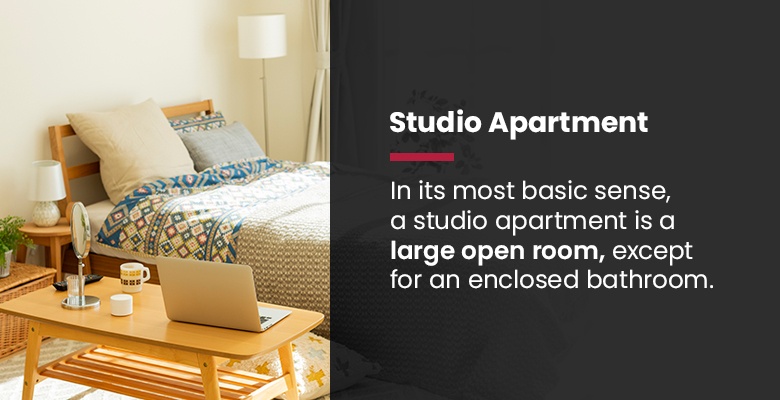
What Is a Studio Apartment?
In its most basic sense, a studio apartment is a large open room, except for an enclosed bathroom. Somewhere within the room is a kitchenette, outfitted with the basic kitchen necessities.
Other apartment types have one or more rooms, like a bedroom or office, but a studio apartment is an all-in-one room. The only doors are a front door, bathroom door, and a balcony door on occasion. You can still have designated bedroom and living areas, depending on how you furnish your apartment.
Different Versions of Studio Apartments
To be considered a studio apartment, no walls should completely divide the living space into multiple rooms besides the bathroom. Architects can manipulate the studio apartment layout to create different versions, including:
-
Alcove studios: In a typical studio apartment, residents use dividers to separate their bedroom from other living areas. In an alcove studio, architects design a division for you. Alcove studio layouts have a designated bedroom nook, like a loft, for example. The apartment still has an open concept otherwise.
-
Efficiency: Think of efficiency apartments as a more "efficient" use of space. They're considerably smaller than a typical studio apartment and don't have as many amenities. The biggest difference between an efficiency and studio apartment is the kitchen. Accommodating the smaller space, efficiency apartments usually lack counter space and certain appliances, like a dishwasher or full-sized fridge.
-
Junior one-bedroom apartment: A junior one-bedroom apartment is a mix between a studio and a one-bedroom apartment. Junior one-bedroom apartments are usually larger than a typical studio apartment, but not always. The biggest difference is the bedroom space. A junior one-bedroom apartment has a partially installed or permanent wall separating the bedroom from the rest of the apartment. The bedroom area isn't fully enclosed, but the partial wall provides added privacy.
Some studio apartment listings don't go into the specifics. You can typically determine which version the apartment is by looking at the layout and utilities. The listing price may be an indication, too. Efficiency apartments are generally less expensive than alcove studios, with junior one-bedroom apartments being the most costly version.
Furnishing a Studio Apartment
Decorating a studio apartment can be tricky. Residents have to tap into their interior design skills to transform one room into a kitchen, living room, bedroom, and potentially more. The best way to decorate your studio apartment is to break the area into zones. In other apartment types, you have walls that break the home into zones. In a studio apartment, you have to create your own zones using:
-
A room divider
-
Hanging art
-
Curtains
-
Color blocking
-
Larger furniture, like bookshelves
Less is more. Stuffing too much furniture and decor in a studio apartment can make the room feel dense and congested. Choose your furniture strategically, and commit to a single color palette to make zoning easier.
What Is a One-Bedroom Apartment?
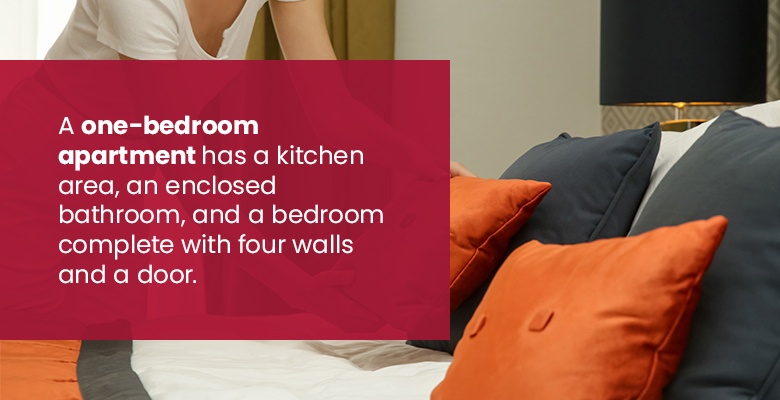
A one-bedroom apartment has a kitchen area, an enclosed bathroom, and a bedroom complete with four walls and a door. It typically has more storage space, too, with closets included in the apartment's layout.
One-bedroom apartment layouts vary. Some have a combined living and kitchen area, while others separate rooms with half walls or archways. Additional square footage may allow for more utilities and closet or bathroom space, but it is not always guaranteed. The determining characteristic of a one-bedroom apartment is a separate, enclosed bedroom.
Furnishing a One-Bedroom Apartment
While studio apartments require larger furnishings to divide the space into functional rooms, one-bedroom apartments require a larger investment in smaller details like:
-
Organizational items for storage space
-
Paintings or decorations for each room
-
Carpets and rugs
-
Lamps
You will likely have more storage spaces to organize and other nooks and crannies to consider in a one-bedroom apartment. If you plan to host guests, you may want to invest in a pullout bed, place settings, a larger kitchen table, and other items to accommodate the extra persons. Some people prefer having these features, while others enjoy the simplicity of a studio apartment.
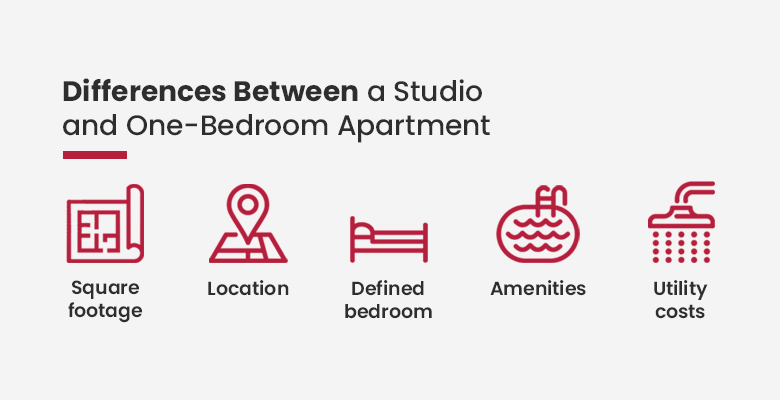
What Are the Differences Between a Studio and One-Bedroom Apartment?
Although the terms are commonly used interchangeably, studio and one-bedroom apartments have some differences, such as:
-
Square footage: The average studio apartment is around 500 square feet but can range anywhere from 300 square feet to 1,000 square feet. One-bedroom apartments have a similar range but a higher average of 750 square feet.
-
Location: Studios are more popular in urban areas with limited space and a higher population. Many urban apartment complexes prefer building studios with smaller square footage. Less-populated suburban areas have more space to spare, so you'll find more one-bedroom apartments.
-
Defined bedroom: The key difference between a studio and a one-bedroom apartment is the presence of a bedroom. Because one-bedroom apartments have more square footage, architects can easily include a bedroom in the apartment layout. Studio apartments don't have this luxury. However, you can use your interior design skills to make space in your studio apartment for a bedroom.
-
Amenities: A studio apartment's limited floor plan doesn't leave much room for in-unit amenities. You'll have the basics — a fridge, some counter space, a shower, a kitchen sink — but you aren't guaranteed much else. One-bedroom apartments are more likely to have convenient appliances like a washer, dryer, and dishwasher.
-
Utility costs: Although residents in a one-bedroom apartment benefit from convenience, having more utilities means having a higher utility bill. Studio apartment residents tend to use less water and electricity. Plus, it requires less energy to heat or cool a studio apartment than a one-bedroom apartment because of the difference in square footage.
The differences are small, but they may influence your final decision of which apartment type is best for you.
How Are Studios and One-Bedroom Apartments Similar?
Besides the few differences, studios and one-bedroom apartments are fairly similar. Both studios and one-bedroom apartments are:
-
Popular for single residents: Compared to the average single-family house, which is around 2,301 square feet, studios and one-bedroom apartments are small. For comfort and functionality, a studio and one-bedroom apartment best accommodates a single resident or two residents if the space is larger.
-
Used interchangeably: Until you break down each characteristic, studio and one-bedroom apartments share many qualities. People often use the two apartment types interchangeably when comparing them to larger housing alternatives, such as townhomes or multi-bedroom apartments.
-
Less expensive than multi-bedroom homes: Multi-bedroom apartments have more square footage to fit extra rooms. With more space comes higher utility prices. Studio and one-bedroom apartments give you just the right amount of space you need with a lower monthly price.
Usually, apartment-hunters first decide they want a smaller housing alternative. Then, they weigh the pros and cons of both studio and one-bedroom apartments and make their final decision based on their capabilities.
The Pros and Cons of a Studio Apartment
Studio apartments are best for single residents with a smaller budget and those who enjoy getting creative with their decorating. Thinking about moving into a studio apartment? Consider the pros and cons.
The pros of living in a studio apartment include:
-
Less expensive: As outlined earlier, studio apartments are less expensive than one-bedroom apartments. Factors that determine an apartment's rent are the amount of square footage, utilities, and other amenities the apartment offers. Because studios have smaller square footage and limited utilities, the costs are lower.
-
Lower utility costs: The monthly rent for a studio apartment is low, as well as the monthly utilities owed. Having limited utilities has its advantages, like needing less energy or water during your daily routine.
-
Simple floor plan: Larger homes can have a maze of rooms to decorate and furnish. Even one-bedroom apartments have extra space and walls to navigate. Studio apartments have a simple, all-in-one floor plan that is straightforward to furnish and live in.
The cons of living in a studio apartment include:
-
Smaller space: Although a studio apartment's floor plan is fairly straightforward, there's less space to perform your daily activities. A smaller space also limits your options for pets and social event hosting. You likely have enough space for the occasional visitor, but hosting a large gathering will prove challenging.
-
Lack of privacy: A studio apartment's open concept doesn't leave much hidden. All your guests can see your sleeping and living area, closet, photographs, and other belongings from almost every angle of your studio apartment.
-
Fewer amenities: As highlighted, a studio apartment's smaller square footage allows for limited amenities.
The Pros and Cons of a One-Bedroom Apartment
One-bedroom apartments are good for single residents or two residents sharing a bedroom who have more room in their budget. Are you leaning toward a one-bedroom apartment? Consider the pros and cons.
The pros of living in a one-bedroom apartment include:
-
Larger space: More square footage means more room for activities. If you're someone who likes to decorate, you may enjoy the extra wall or floor space. The added space allows you to host more people, as well.
-
More privacy: As you're hosting, you don't have to worry about your guests seeing every aspect of your life. An enclosed bedroom allows you to store your valuable and personal items more comfortably. If you're a remote worker, you can also benefit from the mental separation from your work and sleep space.
-
More amenities: Many one-bedroom apartments come with added amenities, like a dishwasher and in-unit washer and dryer. Added amenities make for comfortable living and save you timely and costly trips to the laundromat.
The cons of living in a one-bedroom apartment include:
-
Higher costs: By choosing a one-bedroom apartment, you're going to end up paying more money for more square footage and utilities. With more utilities comes higher utility costs per month. If you have the room in your budget, these higher costs may be worth it.
-
More to clean: One-bedroom apartments give you more room to live in, as well as more space to clean. Some of the added amenities, like a dishwasher and washing machine, make it easier to keep your space clean.
Considering the pros and cons of both options, carefully think about what you can accommodate. When choosing between a studio and one-bedroom apartment, ask the following questions:
1. What's Your Budget?
As you're touring apartments, ask the leasing agents about their income requirements. If you have a larger budget, consider choosing a one-bedroom apartment. Or, you may choose a studio apartment if you want to allocate more of your income to savings or spending money. The right apartment for you depends on your personal goals and capabilities.
2. Where Do You Want to Live?
A one-bedroom city apartment is a lot different than one in a rural location. If you are a person who loves the bustling city and close living proximities, you'll benefit from a studio apartment. Studio apartments are most common in these city areas and can save you hundreds on rent compared to choosing a one-bedroom apartment.
You might have a harder time finding a studio apartment in rural areas. One-bedroom apartments are much more common. You may even spend less on rent for a one-bedroom rural apartment than a city studio apartment compared.
3. How Long Do You Plan to Rent in the Area?
Renting is a good option if you plan on living in an area for a short or undetermined amount of time. If you plan to rent for longer, you may appreciate the extra living space and privacy of a one-bedroom apartment.
If you have a smaller budget for moving, rent, and utilities, temporarily living in a studio apartment may be a good option for you. If you're participating in an internship or a student lease, a studio apartment may fit your temporary lifestyle. You may want to wait until you feel established and familiar with the area to commit to a more expensive one-bedroom apartment.
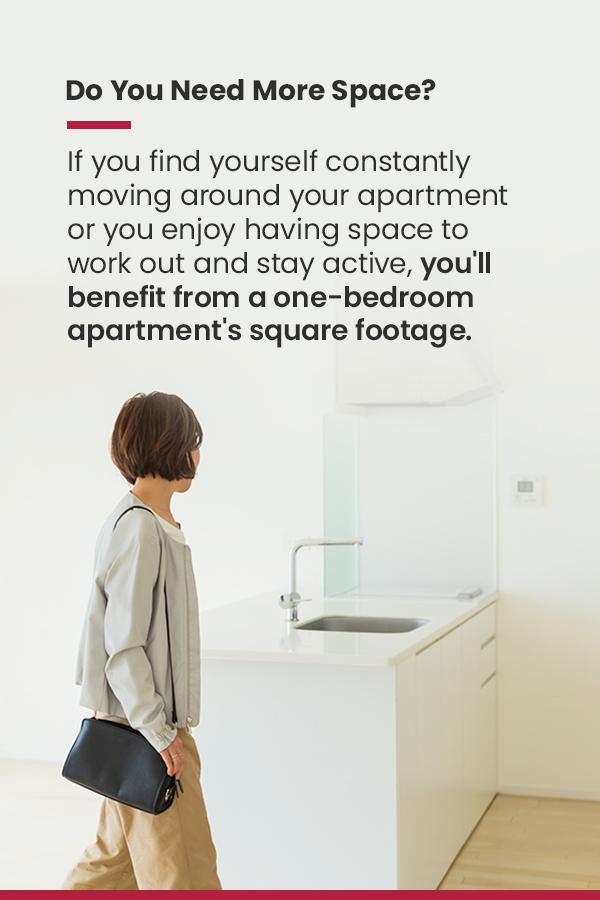
4. Do You Need More Space?
What is your daily routine like? If you find yourself constantly moving around your apartment or you enjoy having space to work out and stay active, you'll benefit from a one-bedroom apartment's square footage. Studio apartments are best for people who don't mind a more confined environment. With the strategic use of space, you can still have a dedicated movement area, but it's much harder to achieve than with a one-bedroom apartment.
5. Are You OK With Having Fewer In-Unit Amenities?
A washer and dryer are on some people's must-have list. Others don't mind the weekly trip to the laundromat. Some residents don't have the time to manually clean dishes and prefer having a dishwasher.
If you can't imagine a lifestyle without added amenities, a one-bedroom apartment may be the best option for you. Keep in mind that every apartment is different. A one-bedroom apartment isn't guaranteed to have many utilities, while some studio apartments may. Talk to the leasing agent and inquire about the in-unit utilities and complex amenities.
6. Do You Like Cleaning?
Cleaning can be very therapeutic. Some people enjoy their weekend cleaning rituals. Others with busy schedules don't have the time to clean — or they don't enjoy cleaning altogether.
Studio apartments have less space to clean, making cleaning a breeze. On average, one-bedroom apartments have more space to clean, so residents can expect additional cleaning time. If cleaning time is important to you, keep in-unit utilities in mind.
7. How Much Furniture Do You Have?
Take inventory of the furniture you have. Studio apartments require less furniture to decorate and furnish fully. If you add too much furniture, you risk making the apartment feel crowded and less homey. One-bedroom apartments are best for people with a lot of larger furniture because there is more space to furnish and live comfortably.
You also have the option of selling your furniture. You can use the money to buy smaller furniture that better fits into a studio apartment or to cover some of the moving costs.

8. Do You Have Pets?
Talk to the leasing agent about their pet policy. If you choose to live in a studio apartment, larger house pets like a dog may not enjoy the confined space. Certain one-bedroom apartments may be too small for larger house animals, too. Cats, hamsters, and other smaller pets may be a better fit. Pets may feel more comfortable in an apartment with more square footage, making a one-bedroom apartment your best option.
9. How Many People Are Moving With You?
Both studio and one-bedroom apartments are ideal for single residents. If you're moving in with a partner and plan to share a bedroom, a one-bedroom apartment will provide more breathing room and more comfortable living. It's recommended that only one resident lives in a studio apartment for privacy, functionality, and comfort.
10. Do You Like Entertaining Guests?
Are you an introvert? Or, do you prefer going to a friend's house over entertaining guests at your own apartment? If so, a studio apartment is a reasonable option for you. Studio apartments can accommodate the occasional guest but aren't ideal for a large group of guests.
11. Are You OK With Less Privacy?
When you or anyone else walks into your studio apartment, everything is visible. As you're cooking in the kitchen, all your guests sitting in the living room will be an arms reach away. The only real privacy you will have in a studio apartment is in the restroom. A one-bedroom apartment provides much more privacy. If you have a guest overnight, you can comfortably sleep in your bedroom while they relax in the living room.
Some people don't mind the openness of a studio apartment, while some prefer having their privacy.

Property Management, Inc. Can Help Find the Right Apartment for You
If you're in the Pennsylvania area, let our property management professionals at Property Management, Inc. help you find an ideal living space. We have over 50 years of experience in Harrisburg, Williamsport, State College, Reading, and many other areas, and we're dedicated to helping you find the best apartment for you.
Browse our available apartment rentals online. If you find an apartment you love, contact us right from the listing! We'll be happy to share all the in-unit utilities, amenities, pet policies, and any other information.
The post Renting a One-Bedroom vs. Studio Apartment appeared first on GET TO KNOW PMI.
]]>The post Upscale Apartments in Lititz appeared first on GET TO KNOW PMI.
]]>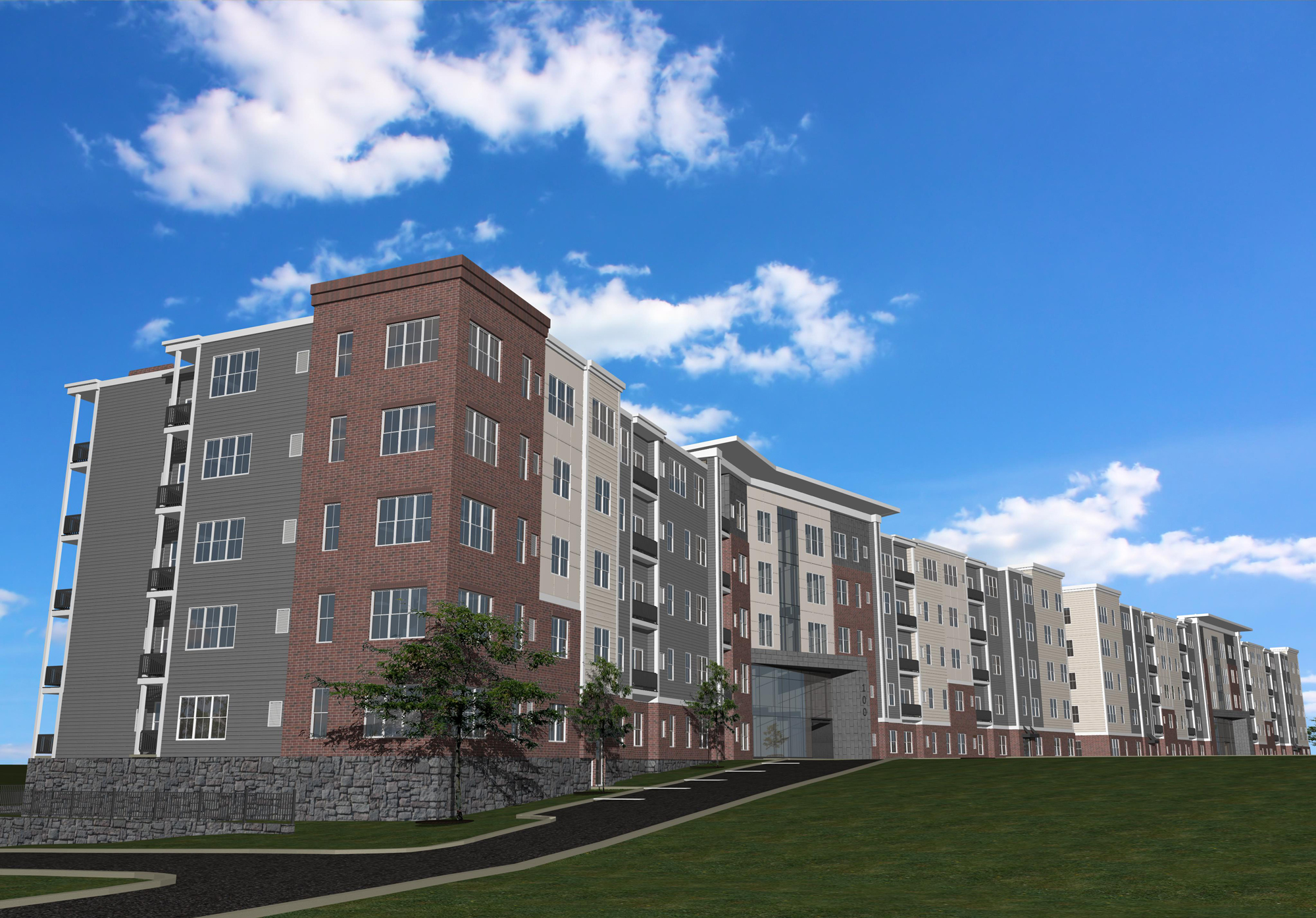
Upscale Apartments in Lititz
Apartment Layouts
Amenities & Benefits at the Apartments at Lititz Springs
Individual apartments all feature a full-size, side-by-side washer and dryer as well as kitchen appliances. You'll also experience a variety of other amenities, such as:
-
Walk-in closets
-
Granite countertops
-
Premium lighting and faucets
-
Central air
-
Gorgeous upscale finishes
-
Spacious bathrooms
Other features you'll be able to enjoy when you are part of the apartment community in Lititz include:
-
A clubhouse
-
Covered parking
-
Trash included in your rent
-
24/7 emergency maintenance
-
On-site office and staff
-
Easy online rent payment methods
-
And more!
Find a Premier Apartment in Lititz With Property Management, Inc.
For almost 50 years, Property Management, Inc. has been serving as a premier property management company in Central PA. We assist residents with finding apartments throughout the surrounding areas that match both their lifestyle and budget.
For residents desiring a modern and elegant space to call home, the brand new Apartments at Lititz Springs will not disappoint.
Please reach out to us at (717) 836-9429 or email at [email protected] for waiting list details or if you have any questions. We look forward to helping you join and be a part of this chic community.
The post Upscale Apartments in Lititz appeared first on GET TO KNOW PMI.
]]>The post Making a Leased Office Your Own Space appeared first on GET TO KNOW PMI.
]]>
Decorating an office yet staying compliant with its lease can be a tricky balancing act. You want the space to stand out and reflect your brand, conveying to clients and employees alike your distinct work culture immediately upon walking through the doors.
Yet you also must weigh inevitable design restrictions. Painting walls, re-installing floors, and even hanging wall art may be off-limits according to the terms of your lease — leaving your ideas for decorating office space stifled.
With up to 80 percent of an office space's costs revolving around the lease, it's no surprise people have questions on how to decorate a business office economically and within the terms of their contract. We've put forward the trendiest leased-office design tips and tricks today, all to take your space from conventional to eye-catching.
1. On-Brand Artwork
Adding artwork is one of the surest ways of decorating an office space. It is also one of the most cost-effective, with technology and more websites and platforms than ever dedicated to inexpensive, custom office art.
Consider traditional canvas or framed pieces first. A handful of large, framed oils and watercolors are decorative staples in leased offices, adding color and personality to its likely plain walls. Hang these along stretches of main walls, or in central spots of break and meeting rooms where they can directly contribute to a more inviting ambiance. To keep things cohesive, look for multi-piece collections of framed artwork you can purchase in bulk and sprinkle throughout the office.

For something more contemporary, consider digital artwork like transfers and wall prints. Transfers are a particularly great way to incorporate branded artwork into the space, as you can use logos, photography, and brand-centric colors. Transfers can be added to canvas or paper, framed or left minimalist, blown up to cover the entirety of a wall or mixed and matched in a decorative collage.
Finally, add further aesthetic layers with pieces like figurines, statues, vases, ornaments, and other decorative items. Place these throughout the entire office, on end tables, coffee tables, conference areas, and more. Encourage your employees to do the same, whether they sit at individual cubicles or shared desk spaces.
Adding these eclectic decorative items in addition to wall art create what's called a "resimercial" look — a leading business design trend where offices are decorated to feel more comfortable through homey touches.
Just remember to keep things on-brand. From featured images to overall colors schemes, you don't want art to clash or create conflicting messages regarding what you're about. Use art to communicate your brand and business values, not distract from them.
2. Plants and Natural Elements
Decorating your office with plants and other nature-inclusive detailing is one of the most diverse and cost-effective ways to make a leased office your own.
These decorative additions have psychological benefits, too. Plant life throughout an office not only reduces employee stress, but it simultaneously boosts creativity, productivity, and reported levels of happiness. Greenery has even been shown to reduce the likelihood an employee will take more two to three sick days a year if their desk or primary workspace is located near pockets of plant life.
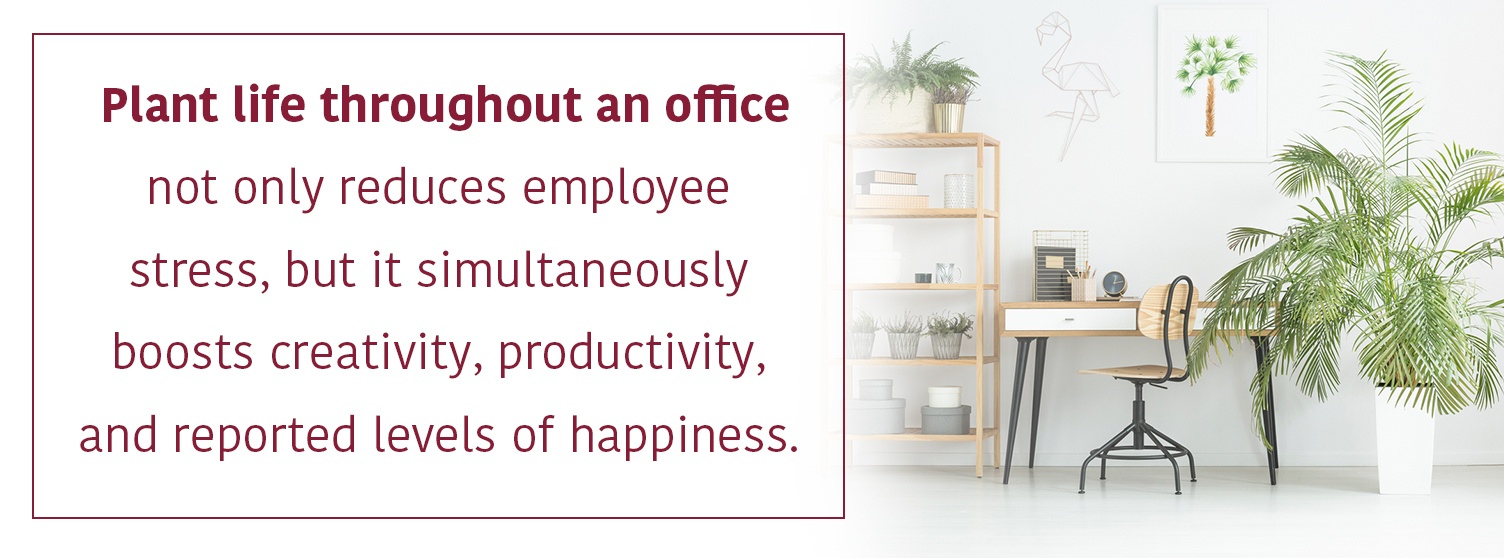
Plants are also part of a growing green trend in office design — one that's as literal as it is figurative. Many leased offices are finding creative ways to incorporate clean-air plants throughout their floor plants. They also look to pot them in "upcycled" or "recycled" pots or plantings, with refurbished items matching other art pieces and office decorations. The finished product is one that is as welcoming and calming as it is good for the environment.
Use a mix of plant and pot types when decorating an office space. For example, incorporate both standing and hanging plants with various ferns and shrubs suited for the indoors. Research the kinds of plants that grow best in your office's natural indoor conditions, with easy-to-maintain sunlight and temperature preferences.
Other popular plant-based office decorations include things like terrariums, air plants, and even vines — real or synthetic — draped from walls like artwork or used as an original office partition.
Like other things on this list, the eye is attracted to visual diversity. Think differences in colors, sizes, and locations when it comes to decorating your office with plants. Place green life in similarly eclectic containers or pots. You'll be on your way to enhancing your leased office — and feeling like a proud plant parent — in no time.
3. Rugs and Carpet Tiles
Wall-to-wall carpets and floor coverings may not be the best option to place in a newly leased space. They are expensive to install and difficult to keep clean — plus you might have to rip them out anyway once your lease is up.

Many lessees aren't partial to the carpet colors or textures that currently make up their selected space. Likewise, solid floors — like hardwood, tile, and concrete — often add ambiance and character to your office but dramatically increase noise levels. Sound waves travel and bounce around more efficiently with these floor types, then compound if your leased office has high ceilings or an open floor plan. The pros and cons of each floor type can make the other seem innately appealing, yet your lease often won't allow you to make a change.
To solve this, opt for rugs or patches of carpet tile to break up a monotonous office floorspace. Rugs and carpet tiles have the added bonus of creating structure and lending a large office more of a formal, designated layout. Plus, they are both sound-absorbing.
You can use solid stretches of carpet tiles to create paths or walkways, which is a great way to help break up open-concept offices. Likewise, rugs placed in strategic areas — such as in informal meeting rooms, collaborative workspaces or the break room — can center the space and make it feel more comfortable.
Keep an eye out for patterns and textures. Rugs can be complementary or eye-catching depending on how you pair them with their surroundings. For example, drab concrete floors of converted warehouses can be made to pop with on-brand, color complementary rugs. Natural fibers can soften hardwoods and accentuate the chairs, sofas, and artwork surrounding them. Rugs of various sizes can lend your office a cozier, homier feel.
4. Colored Partitions and Furniture
Dividers or partitions have become staples in many businesses. This is due to the reigning popularity of open-concept offices, which dominate today's business building scene due to their collaborative ambiance, maximization of natural lighting, and team-oriented, innovative nature.
Indeed, you'd be hard-pressed to find an office space today that doesn't contain some sort of open-concept architectural element. Yet that doesn't mean these kinds of designs are without flaw — particularly when it comes to employee privacy, efficiency, and stimulant-reducing productivity.
Enter office partitions. With individual worker cubicles decreasing in prevalence and wide, unobstructed floor plans becoming the office expectation, dividers are an essential — and practical — decorative inclusion.
They're as much about form as function. Mobile partitions can be used to designate or divide office departments, increase spatial flexibility, reduce noise levels, and create more dynamic and space-maximizing conference or meeting spots, planned or impromptu. Partitions also come in numerous heights, so you can pick sizes that work best with other office furniture.
The first rule for how to decorate your office space with partitions centers on colors. Opt for dividers with muted, earthy, or softened tones matching your current brand colors. Mix and match shades to give a professionally designed feel, and make sure partitions are relatively lightweight and mobile. After all, the whole point is to provide you with a more flexible, adaptive, and eye-catching use of your leased space without needing additional expensive rooms.
What's more, partitions are a great way to lend employees privacy or more isolated workspaces when they crave them. They are also vastly cheaper and more contemporary than traditional, multi-roomed offices or businesses littered with stationary cubicles.
5. Eclectic Furnishings
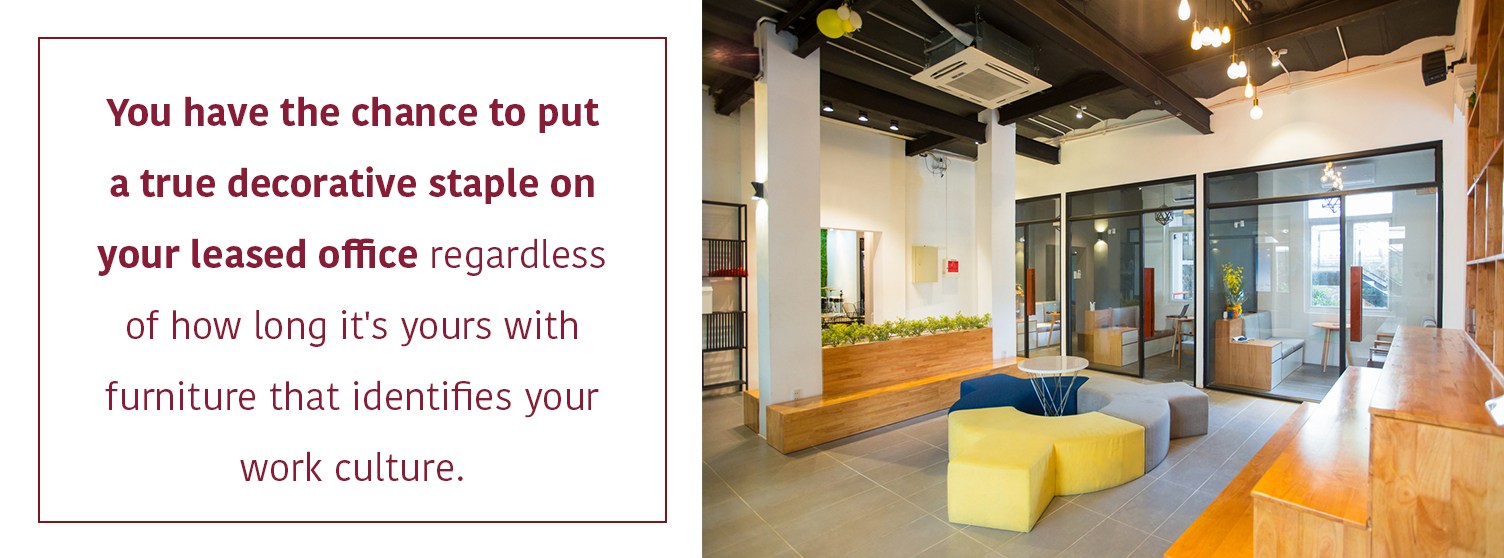
Gone are the days when ergonomic chairs and stationary desks did the trick. Office furnishings of today are more expansive, imaginative, and multi-functional than ever. You have the chance to put a true decorative staple on your leased office regardless of how long it's yours with furniture that identifies your work culture.
Examine furniture design periods or trends you like. Partial to mid-century modern? A fan of industrial-fashioned leathers and metals? Enjoy antiques mixed with bright, contemporary flares? Use a design trend as your guiding eye when starting to select furniture.
Begin by taking a look front-house. What kinds of couches or lounge chairs would you like arranged in a reception area, if you have one? This is the first part of your office a visitor or client will see, and it carries plenty of decorative and branding potential alongside comfort and practicality. You want the furnishings within it to present an immediate atmosphere, one aligned with the personality of your brand.
Next, determine your suite of work-related furniture. This includes but isn't limited to desks, tables, chairs, and other seating or surfaces options in your employees' main work areas plus those equipped in meeting and break areas. Like the reception area, employee furniture should convey a cultivated work atmosphere while matching the daily tasks and responsibilities of your workforce. It does no one any good if you include the coolest array of work chairs yet cram people together at shared tables, or design dynamic work pods but lack relevant technological outfittings.
It's increasingly uncommon for offices to house linear rows of identical cubicles. You have so much more decorative freedom today to furnish your leased office with unique workstations. Whether that be standing desks, work pods, shared tables, or even unassigned office seating, use furnishings that give your office character without distracting from its core functions.
If it fits your brand, you can also consider adding a few extra lighthearted pieces into break rooms, like foosball or pool tables. Just be cautious about dedicating too much space to these kinds of additions. If it doesn't fit your industry or doesn't match your targeted branding and work culture, forget it.
Last but not least, consider the furniture's finishings. Throw pillows on couches, geometric shelving, custom end tables, and more round out your leased office to give it true decorative personality.
6. Lighting
Most people imagine office lighting as row after row of rectangular fluorescent ceiling lights. These installations became the building-lighting default in the late 1970s — alongside other outdated trends like parallel rows of high-walled cubicles. Yet they are easily one of the least flattering and energy inefficient lighting choices around today — and one you can creatively hack even in a leased office.
Recent lighting trends in office spaces have shifted to highlighting standing lamps. Regardless of your renter's contract, you can add these pieces into your space. There are dozens of styles in existence, from Scandinavian minimalist to antique, stained-glass "Tiffany" style lamps. Tower lamps are ultra-sleek and contemporary, industrial lamps work well in urban, open-concept offices, and arching floor lamps break the stick-straight vertical lamp mold.
The boldest offices even fuse lighting into signs, artwork, and office furniture itself, using neon accents for a fun decorating twist.
7. Creative Filing and Storage
Storage within an office takes many shapes, yet all businesses need it. Leased commercial spaces will likely come with some built-in storage already, be those mounted cabinets or corner storage closets. Decorating an office space's filing and storage can go far beyond these options, though.
Think of all the ways you store items at home. From shelves and bookcases to baskets, bins, drawers, and display cabinets, you're familiar with multiple residential storage solutions — just in a different capacity.
Why not begin to merge these over to the office innovatively? Creative filing and storage options abound. What's more, you can get bargain deals on storage furniture at many outlet stores and online. Or for real brand-aesthetic alignment, you can commission custom cabinets and shelving units from a local business or craftsperson.
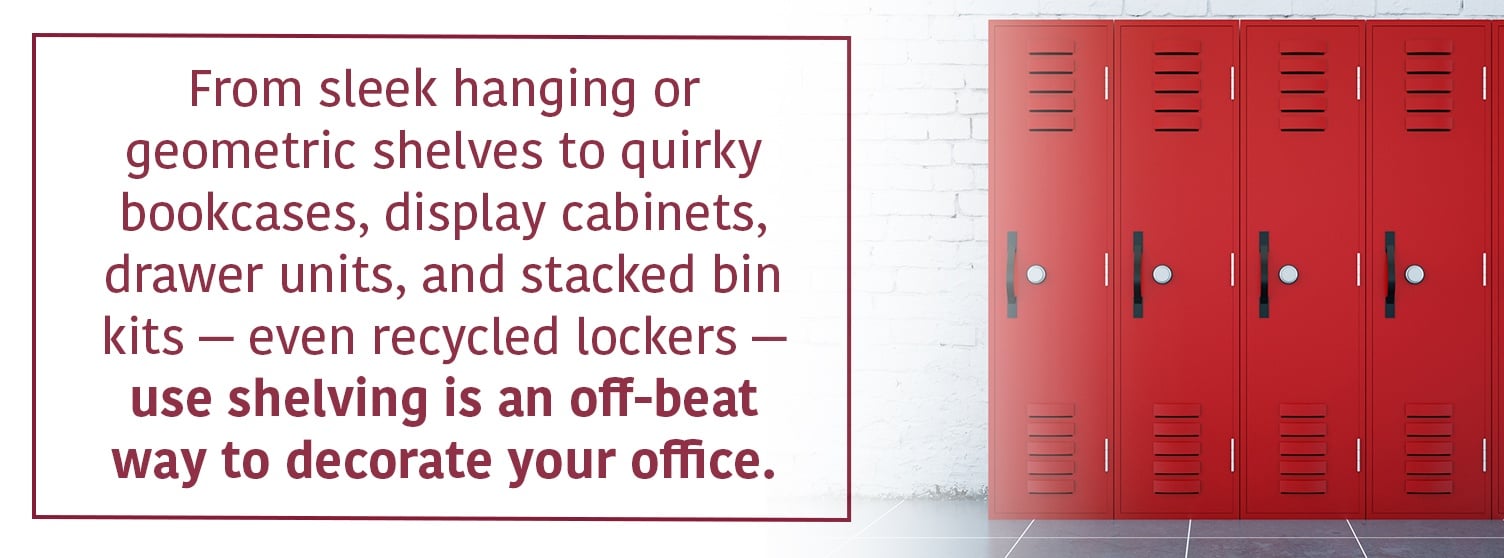
There are dozens of unique filing and storage systems to pick from. From sleek hanging or geometric shelves to quirky bookcases, display cabinets, drawer units, and stacked bin kits — even recycled lockers — use shelving in an off-beat way to decorate your office. You'll find you're simultaneously maximizing space and solving filing pain points, too.
8. Think Mobile
At the end of the day, a leased office is still liable to the terms and conditions of its contract. Most of its significant infrastructure cannot be changed.
Yet there's simply no reason to see a rented commercial property as static or lifeless. In fact, treating it so could have the opposite effect — stifling employees' spirit, reducing productivity, and turning off clients or customers.
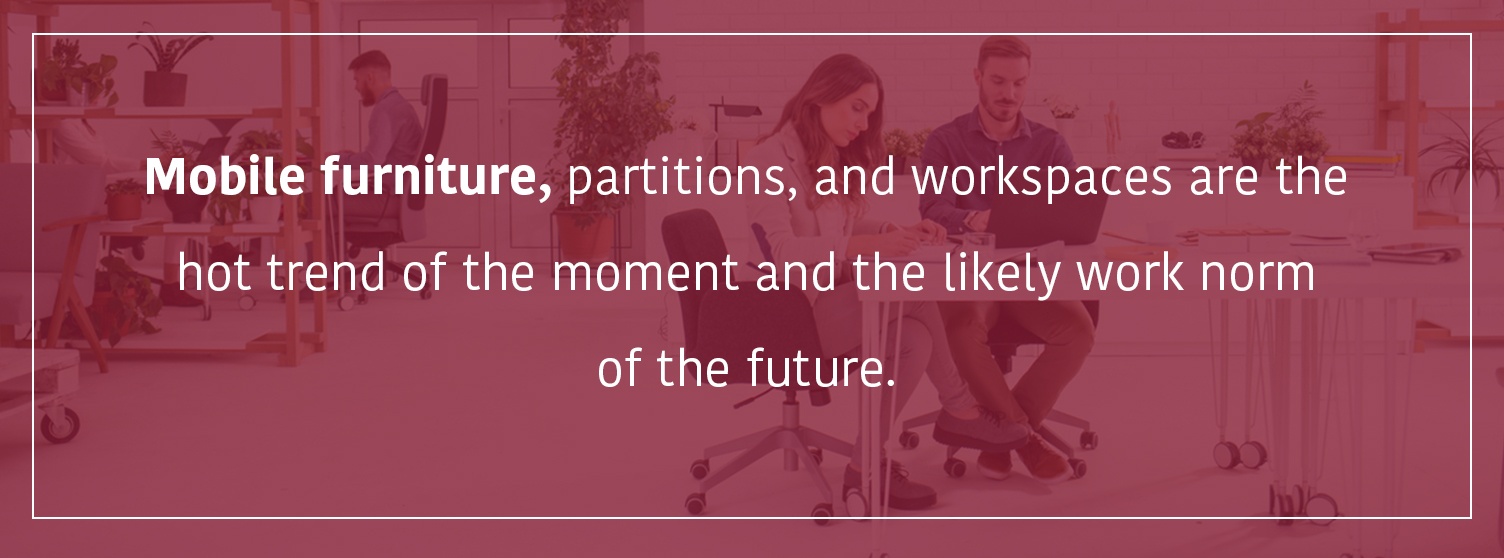
With this in mind, keep as much of your leased office designs geared towards the flexible. Mobile furniture, partitions, and workspaces are the hot trend of the moment and the likely work norm of the future. Be preemptive about this with your leased office space today by designing work areas that are open and reconfigurable.
A mobile mindset of decorating your leased office space carries the added bonus of staying well within your lease parameters. No clunky installations or heavy, difficult refurbishments that go out of style in a few years — or that you'll have to get rid of come the end of your lease.
9. Stick to a Color Scheme
Color psychology is a significant — and scientifically backed — decorative element in your office space. The colors you choose for your space have the ability to transform the moods of those within it, for better or worse. Choose yours critically and cohesively early on with the following knowledge.
According to color psychology, perceiving different shades stimulates different psychological states in humans. It is considered a "ubiquitous perceptual stimulus" and can influence everything from attraction and fatigue to food and beverage purchases.
Blues and greens evoke a sense of calmness and thoughtfulness in most individuals. These cool shades have the interesting effect of making most people focus inward, as well. This introspective-inducing property could be useful in quieter parts of the offices, like focus rooms, or in departments where individuals need to work in controlled, composed atmospheres.
On the other hand, feelings of energy, drive, and excitement are stimulated by warm colors. Reds and oranges are bold color choices in offices, grabbing attention and creating upbeat energy. Yellows strike a psychological middle ground, stimulating creativity while also possessing a similar calming property for most people.
Pick a color scheme of four to five complementary shades, and use it as the guiding eye for selecting rugs, furniture, curtains, pillows, chairs, cushions, shelves, storage and artwork. If permitted in your lease, paint accent walls with one or two colors from your palette. Add surprising, stimulating splashes in unexpected places. Color detailing alone has the capability to transform your office from a space where people clock in and clock out to a space where people are energized, efficient, and feeling at home.
Commercial Office Space Expertise Throughout Pennsylvania
Property Management, Inc. ensures you're set up to make a leased office look and feel your own — today and tomorrow.
With over 6,000,000 square feet of managed commercial properties, you have a compelling range of options to find the space to put your business on the map. Each property comes with maintenance, repair, and management expertise plus 24-hour emergency contact so you can focus on your real priorities — launching the business of your dreams.
Explore our current commercial listings, or get in touch directly at (717) 730-4141.
The post Making a Leased Office Your Own Space appeared first on GET TO KNOW PMI.
]]>The post HOUSING AND THE BOTTOM LINE appeared first on GET TO KNOW PMI.
]]>Today’s Manufactured homes offer many desirable features that crush the perception of a trailer. Basically, these homes are made of the same components as traditional site-built homes, drywall, OSB board and lumber etc.
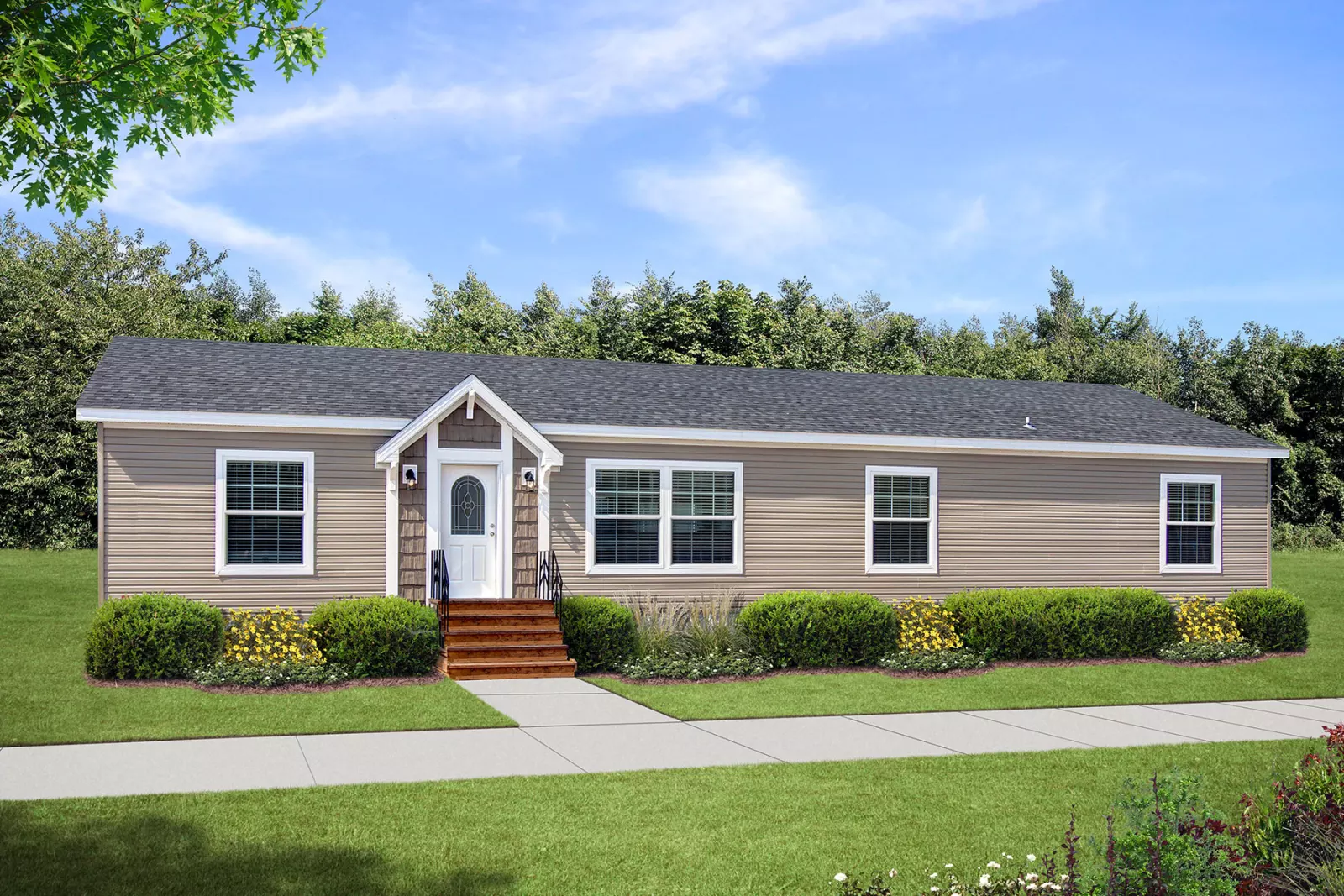
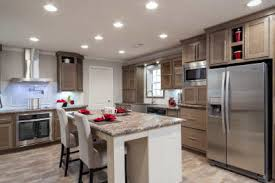
So, what are the differences?
The biggest differences between manufactured housing verses site-built homes can be summed up in TWO words, “CODE” and “COST”.
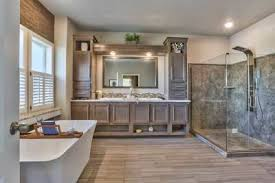

Let’s take a CLOSER LOOK —
Manufactured built housing is primarily built with typical materials to perform in specific manner–
- BUILT PER HUD CODE Federal Code that supersedes the UCC under Federal inspection
- Built in a climate-controlled facility where materials are kept out of the elements
- To perform in such a manner that meet wind zone, snow load and thermal zones for the location where the home is to be installed
- Made to be EASILY transportable to homesite
- Constructed assembly line to minimize expenses and streamline processes which lowers cost
- Typically, 30% less expensive than stick built homes per square foot
- Less expensive to own and maintain
- Can appreciate in value if maintained properly
Traditional / Stick built housing is built with a prescriptive method using specific components–
- BUILT PER UNIFORM CONSTRUCTION CODE under Local/State Inspections
- Built outside in the elements where there is little to no protection form moisture on the structure as it’s being constructed
- Meets designated code to for wind and snow loads
- Constructed on the homesite
- Costs per square foot vary but are much higher than Manufactured / Factory Built
- More expensive to own and maintain
- Appreciates at a higher rate
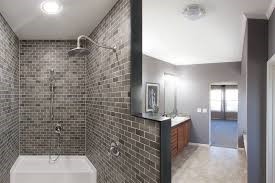
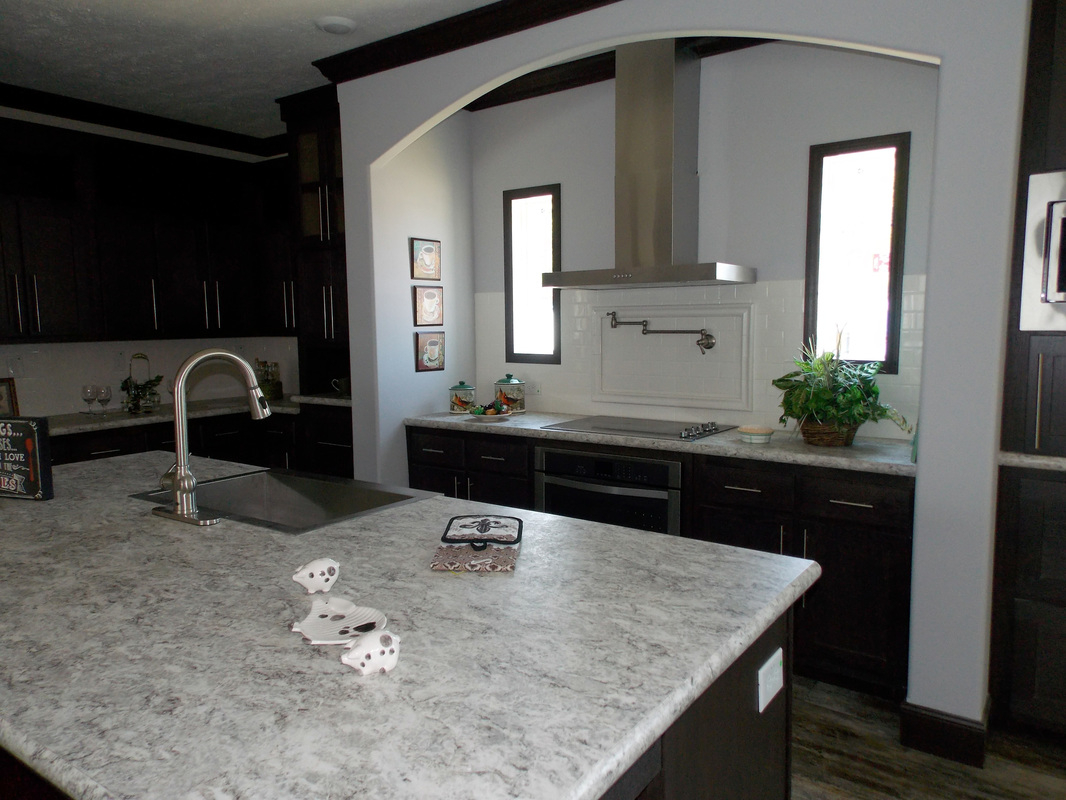
Manufactured or Factory Built homes are designed to be a more affordable option to site-built homes; yet still provide quality for consumers that want to own their home rather than rent.
Today’s manufactured homes can travel down the highway at 60 MPH with sustained wind and stay in one piece. So they will hold up in that storm with 60 + MPH wind gusts.
So, don’t dismiss an affordable option just because you are not familiar with the product and options. Check them out you may find your new home!
AND THAT"S THE BOTTOM LINE
Property Management, Inc. manges a variety of manufactured communities across the state. Take a look at our available listings and get in touch today.
Photos compliments of Champion Homes
The post HOUSING AND THE BOTTOM LINE appeared first on GET TO KNOW PMI.
]]>The post Questions to Ask Before Renting a Townhouse appeared first on GET TO KNOW PMI.
]]>Questions to Ask Before Renting a Townhouse
Rent or own? For the past few decades, the number of people who rent a house, rather than own one, has gone up and down. The percentage of rented households dipped to 31% in 2006 but climbed back to more than 36% in 2016.
Although renting a home might not be as permanent a decision as buying one, it is still a big decision to make. You want to know as much as possible about the property and about what you can expect when living in the home before you sign the lease. If you've found a townhouse that looks like it's an excellent fit for your household, be sure to ask a few questions before you sign, so you can avoid any surprises in the months ahead.
From making sure you fully understand the terms of the lease to having a good idea of what the house includes and what you're allowed to bring to the house, here's our checklist of questions to ask the leasing agent before renting a townhome.
1. What Are The Terms of The Lease?
Before you can move into your rental house, you need to sign the lease. And before you sign the lease, you should be sure that you fully understand what it says and what its terms are. Leases tend to be written in legal language, which can be a bit tricky to decipher. It's worth discussing with the landlord or property manager what the lease says and clarifying the terms of the lease so you know exactly what you're signing. A few things you want to be clear on include:
- The length of the contract: How long is the lease for, and what are your move-in and move-out dates?
- How much rent is: The lease should state your monthly rent, as well as when it is due.
- Other deposits or fees: If you have to put down a security deposit, the lease should state the security deposit amount. If you need to pay additional fees, the lease should explain what they are and how much they are.
- The grace period: Your rent is going to be due by a specific date each month, such as the first of the month. Many leasing agents offer a grace period of several days. Your lease should let you know if there's a grace period, how long it is, and what the late fee is if you send in payment after the grace period.
- Notice period: If you get to the end of the lease's term, and you aren't interested in staying in the house, when do you have to let your property manager know? The lease should clearly state how much notice you need to give before the end of the term.
2. What Appliances and Amenities Are Included?
It's also important to understand what appliances come with the house and what amenities are available. Although many rental houses do include appliances such as an oven, refrigerator, or dishwasher, not all do. It's up to you to confirm with the property management company or landlord what appliances they offer. It's also a good idea to find out what will happen if an appliance breaks.
If the house doesn't come with appliances such as a clothes washer and dryer, you might want to ask if laundry facilities are available nearby or if you're allowed to bring your own machines into the house. In some cases, a shared laundry room might available somewhere in the development, or there might be a public laundromat close by.
Rental houses can vary when it comes to the amenities they offer. Garbage pickup and recycling pickup are included in some rentals, but not all. If your lease doesn't include trash or recycling, you'll want to ask what the process is for arranging for pickup.
3. What Utilities Are Included in the Rent?
Water, sewer, heat, electricity — you need these utilities to live comfortably in your house. Depending on the terms of your lease, they might be utilities you are responsible for paying for. Paying for your utilities can add to your monthly costs considerably, so it's essential to ask the property management company what, if any, utilities are included in your monthly rent. You want to avoid the surprise of having a gas bill, water bill, or electricity bill add hundreds of dollars to your monthly living costs.
Along with finding out what utilities you are responsible for and which ones are part of your monthly rent, it's also a good idea to find out how you can go about arranging to pay for your utilities.
4. How Do I Pay Rent?
The townhouse community might offer limited ways to pay your rent. Some still only accept physical payments, such as a check, each month. You might want to look for a rental townhouse that offers multiple ways to pay, for your convenience and peace of mind. Online payments are becoming more and more common and mean that you no longer need to make a special trip to pay your rent or need to hunt around for stamps and an envelope. Property Management, Inc. gives our tenants the option to pay online, which simplifies the payment process. Along with paying online, you can confirm that you made a payment and can review your overall payment history.
5. What Is the Maintenance Policy?
If something in the house breaks during your rental period, who is responsible for repairing it? What is the process for putting in maintenance requests? You want to know the answer to both of these questions before you sign a lease and move into a house.
When it comes to maintenance, you might feel better knowing that the rental company offers around-the-clock service. Before you sign the lease, ask the property manager if there is an emergency number or after hours number to call if there's an issue at your house during the middle of the night or on weekends. It's also a good idea to ask about general maintenance issues. For example, if you have a problem with a sink that doesn't need immediate attention, can you put in a maintenance request online or do you need to call for assistance?
6. What Is the Neighborhood Like?
When looking for a new house to live in, you want to look beyond the boundaries of the home's four walls and beyond the property line. It's also a good idea to understand what the surrounding neighborhood is like and what you can expect when living there.
Think about what you want in your neighborhood and ask the leasing agent if those features are close by. If you have children, you might want a playground or park within walking distance. If you work from home, you might want to be able to escape to a quiet coffee shop or library for a change of scenery from time to time.
If you're not shy, you might want to ask people who already live in the area what they think about it. Your landlord might not be able to give you an as in-depth or detailed idea of the neighborhood as people who already live there. Asking your potential future neighbors about the area helps you make a decision about renting a house, and it can also help to break the ice and make it easier to make friends with people once you move in.

7. Where Can I Park?
If you have a vehicle, one thing you might be particularly interested in learning more about is where you park it each night. It might be that the house you're renting has an attached garage or driveway and you can pull up practically to your front door when parking each day. In some cases, there might be a parking lot outside of the house, and you might be allowed to use one or two spots in front of your home.
If there isn't a driveway or parking lot attached to the property, ask if you'll need to get a permit to park on the street or if there are times when you won't be allowed to park your car on the road. Along with finding out where you can park your vehicles, it might be worthwhile to ask where people who are visiting your house can park. Some townhome communities have designated visitor parking areas, for instance. If that's the case, you'll want to let any houseguests know where they can leave their cars when visiting you.
8. What’s the Security Deposit? Is It Refundable?
It's a good idea to make sure you're clear on how much you need to pay as a deposit and what you can expect when the lease is over. The security deposit is meant to be just that — security in case you cause any damage to the house while living there.
9. Can I Renew the Lease, or Does It Go Month-to-Month?
If you like the townhouse, it can be worth finding out what happens once your original lease is over. Some property managers will send you a new lease, which might be for another year or longer. When you renew the lease, the landlord might raise the rent or make other adjustments to the terms. If you don't agree to the changes, you can decide not to renew and to move somewhere else.
Another common situation is for a one-year lease to convert to a month-to-month agreement if the landlord doesn't prepare or send you a new lease. A month-to-month lease might have some benefits to you compared to a renewed lease or a lease for another full year. If you think you might need to move at some point during the next 12 months, you can get out of a month-to-month lease by giving the landlord 30 or 60 days notice. If you've agreed to another 12-month or longer lease term, you'll need to break the lease to get out of it.
Breaking the lease can be expensive, as you will most likely need to keep paying rent on the house until the landlord finds a new tenant. When asking your landlord about what happens at the end of the lease term, be sure to carefully consider your needs before agreeing to a renewable lease or a month-to-month option.
10. Are Pets Allowed?
Not every rental is pet-friendly, so if you have a dog, cat, bird, or another animal companion, it's a good idea to ask about the rental's pet policy sooner rather than later.
Some landlords or property managers might be more flexible about pets than others. Sometimes a landlord will have a strict no-pets policy. But many will take things on a case by case basis. They might not want you to move in with a 150-pound St. Bernard but will accept a 10-pound cat or a 20-pound dog. Many communities also limit the number of pets in a house, so if you have more than one animal companion, it's crucial to find out how many you can have in your rental.
If you do bring pets to your rental, be prepared to pay a bit more for the privilege. While not every community charges a pet deposit or pet rent, many do. The extra charge for pets might take the form of a refundable deposit, a one-time, upfront fee, or additional monthly payment in the form of pet rent.
Find Your Next Rental House With Property Management, Inc.
Are you looking for a townhouse to rent in Pennsylvania? Property Management, Inc. has rental opportunities in townhome and apartment communities across the state. Take a look at our available listings and get in touch today if you see a home you'd like to tour.
The post Questions to Ask Before Renting a Townhouse appeared first on GET TO KNOW PMI.
]]>The post New PMI Managed Property: Pleasant Pointe appeared first on GET TO KNOW PMI.
]]>
What Will You Enjoy When You Rent an Apartment at Pleasant Pointe?
Some of the great benefits you'll have when you call Pleasant Pointe your home include:
 1. Charming Views of the State College Landscape
While sitting on the balcony of your apartment, you could enjoy:
-
A panoramic view of State College
-
An soothing gush of fresh and clean air
-
A view of the sunset in Pennsylvania
2. Special Amenities
Floor plans have been carefully designed to give you superior comfort and convenience. Each rental home includes:
-
A washer and dryer.
-
An efficient dishwasher.
-
Access to central air conditioning.
You and your family can also enjoy using the community facilities, including:
-
A community garden.
-
A fitness room.
-
A community room or clubhouse for relaxation, interaction, meetings, and games.
-
A playground.
3. Proximity to Large Shopping Centers
Pleasant Pointe is also ideal for anyone who wants to live close to major stores like:
-
Walmart
-
Nittany Mall
-
Sam's Club
-
Barnes & Noble
-
Big Lots
-
And many more
4. Convenient Access to Public Transportation
When you live at Pleasant Pointe, you'll find it easy to get around town whether you need to visit friends, family, an office, or a nearby attraction. Its convenient location makes it easy to travel and commute, as Pleasant Pointe is located close to major public transport routes. You'll find that:
-
Interstate Highway (I-99) is nearby.
-
I-99 gives you quick access to other cities.
-
You can jump in your car and quickly reach Altoona, Port Matilda, and Lock Haven.
 5. Pricing That’s Just Right For You
Living in this serene apartment community means quality amenities at an affordable price because:
-
Pleasant Pointe is covered by a Low-Income Tax Credit arrangement. Income limits are applied.You get very high value for the price you pay.
Learn More About Pleasant Pointe Apartments
Would you like more information about pricing, income restrictions, and our floor plans? Get more details about apartments at Pleasant Pointe on our website or give us a call at (814) 278-7700 today.
See the Other Beautiful Apartments Offered by PMI
PMI is a customer-focused company. We have a highly skilled and trusted team that serves our tenants and property owners in a reliable and ethical way. If you need a comfortable and spacious apartment with amazing amenities in any other location in Pennsylvania, give us a call at (814) 278-7700. You can also take a look at our apartment rentals page for more details.


The post New PMI Managed Property: Pleasant Pointe appeared first on GET TO KNOW PMI.
]]>The post Market Square Plaza Earns EPA’s ENERGY STAR® Certification for Superior Energy Efficiency appeared first on GET TO KNOW PMI.
]]>
September 4, 2018
Market Square Plaza located at 17 N. Second Street, Harrisburg and managed by Property
Management, Inc., has earned the U.S. Environmental Protection Agency’s (EPA’s) ENERGY STAR
certification for 2018, which signifies that the building performs in the top 25 percent of similar facilities
nationwide for energy efficiency and meets strict energy efficiency performance levels set by the EPA.
Commercial buildings that earn EPA’s ENERGY STAR certification use an average of 35 percent less
energy than typical buildings and also release 35 percent less carbon dioxide into the atmosphere.
"We are pleased to accept EPA’s ENERGY STAR certification in recognition of our energy efficiency
efforts,” said Gary Brandeis, Market Square Plaza’s ownership representative. "Through this
achievement, we have demonstrated our commitment to environmental stewardship by reducing our
energy consumption and costs.”
For more information about Market Square Plaza, please contact Eric Kunkle at 717-730-4141.
The post Market Square Plaza Earns EPA’s ENERGY STAR® Certification for Superior Energy Efficiency appeared first on GET TO KNOW PMI.
]]>The post Renting an Apartment vs. Buying a Home appeared first on GET TO KNOW PMI.
]]>
Moving to a new town or city, finding a better area to live, or getting your first place on your own? Whatever your reason for relocation, looking for a new place to live comes with so many challenges and considerations. What kind of neighborhood will you be living in? How far will you be from shopping centers, attractions, and essentials? What does the cost of living look like? Even more importantly, when you're researching where to put down roots, you'll be considering key questions like: Is buying a house better than renting an apartment? Is renting an apartment easier? Which will save you more money or bring you better returns in the long run?
When it comes to deciding whether to rent an apartment or buy a house, the right choice really comes down to your lifestyle, your budget, your personal preferences, and your circumstances. While buying a house was once the more traditional and popular choice — as people put down their roots and began families earlier in life — most young people today choose to rent apartments when they're starting life independently and then progress to purchasing houses as they mature, move up in their careers, build savings, and have families.
The homeownership rate today is relatively low, with 64.2 percent of Americans owning their own houses in 2018. On the other hand, rental rates are high, with a national vacancy rate of only seven percent in the beginning of 2018. That means the other 93 percent of rental properties are occupied.
While these U.S. Census averages seem to indicate renting is the more widespread choice, both buying a house and renting an apartment have their advantages and disadvantages. If you're looking for help making the choice, we're here to guide you. From considering apartments vs. houses based on budget to considering some general renting vs. buying pros and cons, here's everything you need to know about buying a house vs. renting an apartment.
Costs of Buying a House
Before you dig into the fine details of lifestyle, location, space, and other living considerations, it's essential to think about your budget and break down the costs involved in both buying a house and renting an apartment to determine which might make more sense financially.
While buying and owning a house involves some steep upfront expenses, it can also provide financial returns over time, so consider whether you're interested in making a long-term investment. Here are the costs you can expect when buying a home:

1. Down Payment
When purchasing a home, you'll be expected to provide a percentage of the price upfront before securing the property. This is your down payment. While the amount you pay depends on the local market, your mortgage type, and your personal credit score, the cost can range from 3.5 percent of the home's value up to 20 percent or higher.
2. Earnest Money
In addition to your down payment, you're typically expected to provide an earnest money deposit with your purchasing offer to show you're serious about buying the property. Generally, you can expect to provide up to three percent of the house's value upfront depending on the market. Your deposit will go towards the purchase of your home once the sale is approved.
3. Home Appraisal
When you're taking out a mortgage to help finance your new house, a loan approval from your lender will most likely require a home appraisal to make sure the house's value matches that of the asking price. Before or during the inspection of your new home — including consideration of the interior, exterior, property size, improvements, and additional features — you'll pay a fee of about $300 to $400 for the average home.

4. Home Inspection
When you're deciding whether to buy a home, it's probably a good idea to hire a home inspector to spot any defects or potential problems you might not have an eye for as an inexperienced buyer. Your home inspection will likely cost about the same as a home appraisal and you'll most likely pay at the time of inspection.
5. Property Taxes
When you own a home, you're responsible for paying property taxes set by your county or city to support local schools, public services, and infrastructure costs. While tax rates are subject to change each year and vary from location to location, you will pay property taxes both upfront when purchasing and annually, or in monthly escrow payments.
6. Homeowner's Insurance
Insuring your new home is a requirement both prior to closing to ensure loan approval and every year of ownership to protect your property against accidents, weather, and other threats. While homeowner's insurance costs are variable based on your credit score, coverage limits, and policy deductible, as well as your home's location, contents, value, and style, the average annual premium is about $1,173 in 2015 and will likely continue to rise. You'll pay your first annual premium upfront with the sale of your house and continue to pay annually or in monthly escrow payments.

7. Closing Costs
In addition to inspection, appraisal, and down payment costs for purchasing your home, you'll face a variety of other closing costs with the sale, including credit report fee, loan origination costs, recording taxes, lender's and owner's title insurance, and a closing fee, among others. You can expect your closing costs to range from two to five percent of the total sale.
8. Mortgage Payments
Once you've purchased your new home, you'll need to keep up with monthly payments on the principal and interest of your mortgage payment for its entire duration — usually for 15 or 30 years. Depending on whether you have a fixed-rate or adjustable-rate mortgage, your rates will either remain constant or vary, but you'll pay your mortgage fee as part of your monthly escrow.
9. Maintenance, Repairs, and Renovations
Owning a home comes with the responsibility of keeping up with and paying for regular maintenance and repairs as well as renovations to improve your house's quality, value, and appeal over the years. Addressing uninsured damage, replacing appliances and fixtures, taking care of interior and exterior paint jobs, maintaining mechanical elements, replacing carpets, and installing home improvements can be costly and vary greatly depending on the job. But good quality will increase your property value over time.
10. Utilities
Unlike renting, owning a home means you're responsible for paying all property utilities and services, including electric, gas, water, cable, internet, recycling, and garbage. The monthly or quarterly cost of each will vary by property, location, and personal usage.
11. Furnishings
When you're a first-time homebuyer, odds are good you don't have the amount or array of furniture and fixtures you need to fill your bigger space. You'll need to budget for the amount of spending necessary to purchase new furnishings and decorations to adorn your home.
12. Moving Costs
Whether you're buying a house or renting an apartment, moving costs will be a part of any moving experience. Depending on how much you need to move, how far you're relocating, what season you move in, and whether you use a professional service or rent your own truck, moving costs can range from $100 to $1,000 or more.
Costs of Renting an Apartment
While renting an apartment typically involves fewer upfront costs than buying a home, there are definitely expenses involved. Here are the typical costs of renting an apartment:
1. Security Deposit
When you sign your lease agreement to rent your new apartment, your property manager will typically require a security deposit to protect against property damage, broken leases, delinquent rent, and other expenses. Your security deposit might be up to 1.5 times the cost of your monthly rent.
2. Rent and Pet Rent
Rent varies greatly depending on property size, location, age, condition, number of occupants, and local market, but you'll be expected to pay monthly rent on a strict payment schedule. If you have pets, you might be expected to provide a pet deposit, monthly pet rent, or both, to protect against possible pet damage. In addition, unless you live in a rent-protected property, your rental rate can increase whenever you sign a new lease.
3. Renter's Insurance
Unlike homeowner's insurance, renter's insurance isn't typically required to secure a lease, but it helps to protect your possessions against theft, damages, fires, and other threats. While your insurance rates will vary based on deductibles, coverage limits, the value of your property, and other factors, the average monthly cost of renter's insurance is as low as $15.
4. Utilities
Some rental properties include certain utilities — like water, gas, electric, trash, lawn care, and snow removal — in the cost of rent, especially if you live in a large apartment complex. Other rental properties, however, may leave the responsibility of all or most of the utility costs to the tenant. What you pay depends on where you rent and how much you use.
5. Laundry
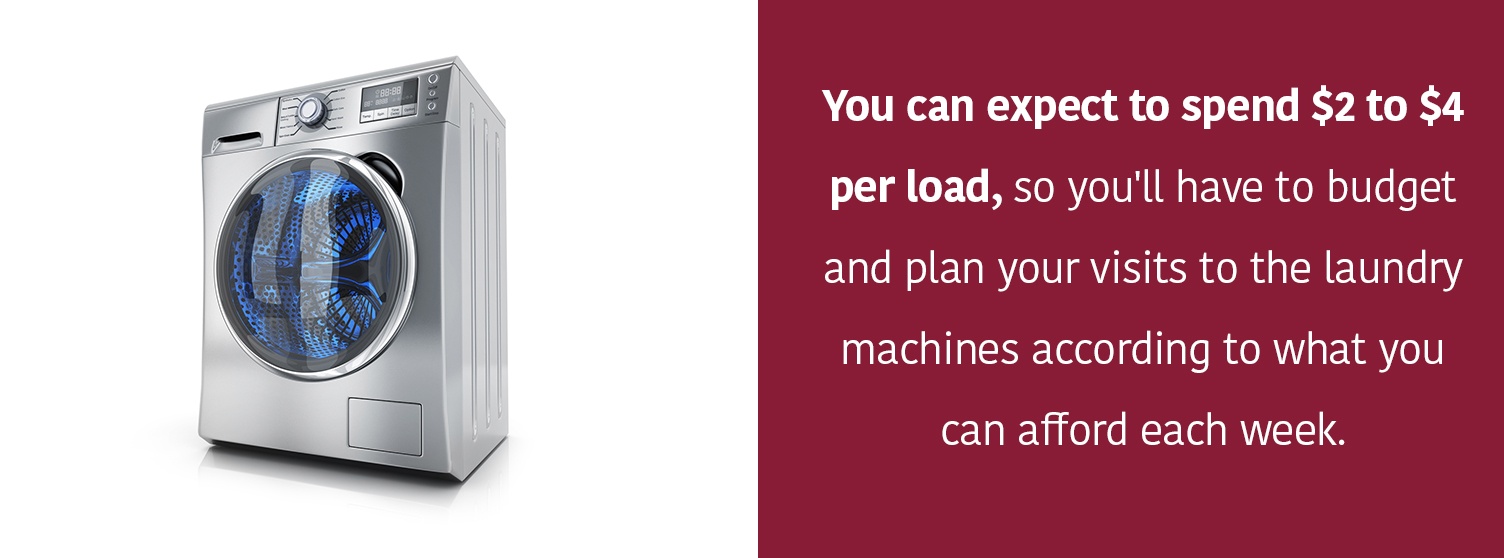
Many rental apartment units will not include an in-house washer and dryer, so you'll either need to use your building's coin-operated machines or find a local laundromat. You can expect to spend $2 to $4 per load, so you'll have to budget and plan your visits to the laundry machines according to what you can afford each week.
Pros and Cons of Buying a House
Now that you're familiar with the overall costs involved in buying a house vs. renting an apartment, it's time to delve into the more complex pros and cons of choosing each for your lifestyle. Here are the advantages and disadvantages of buying a home.
Pros
While expensive, home ownership does provide plenty of advantages:
1. Tax Benefits
Owning a home can make you eligible for specific tax benefits, including homestead exemption — which exempts homes occupied by their owners from part of the regular property tax burden — and federal tax deductions — which allow you to itemize your federal income taxes, deduct property taxes and mortgage interest, and reduce the total burden of your income tax.
2. Investment Building Over Time
Unlike a rental property, buying a home is an investment — meaning you build equity as you pay off your loan, owning a bit more of the house until you've paid it off in full, and you also benefit from your home's value increasing over time. You can boost your value with home improvements and increase your property's overall worth, making it both easier to refinance when you need more funds and worth more in profit if you ever decide to sell.

3. Possible Source of Income
One of the best benefits of owning a home is your freedom to do what you like with it. If you're comfortable with the idea, need more cash, and follow all local rental property laws, you can turn your home investment into a source of income by renting out rooms, floors, or even the whole house to tenants.
4. Community Roots
Because homeowners are putting time and money into their houses, they tend to stay in their homes longer, put down more roots, start families, and engage with their communities more than a temporary apartment-renter might. Owning a property will give you a sense of belonging and encourage you to get involved in other parts of your community, like associations, clubs, volunteer organizations, businesses, and more.
5. More Creative License
While property managers will impose limitations and rules regarding how you can treat, decorate, and renovate your property, owning your own house opens up so many avenues of creative and decorative possibility, from painting and hanging art on your walls to embarking on DIY renovation projects like finishing your basement, adding new fixtures and appliances, updating your rooms, and building onto your property. Your home is your canvas.
Cons
Despite the numerous benefits of owning a house, it comes with its downsides as well, including:
1. Cost of Maintenance and Repairs
In a rental apartment, you can call your property manager whenever you have an issue with plumbing, electric, broken appliances, or other defects, and your property manager will be responsible for both handling and paying for maintenance and repairs. When you own a house, the tasks and expenses are your responsibility alone.

2. Steep Upfront Costs
With numerous upfront fees, including your down payment, earnest money, home appraisal, and more, buying a house involves a lot of expenses both upfront and over time.
3. Potential Financial Loss
Homes can increase in value over time. While you have the chance to build equity and make profits, you also run the risk of losing money on your investment if your home decreases in value instead, depreciating your assets based on the local or national market.
4. Long-Term Financial Commitment
Homes are a significant investment. From mortgage payments and property taxes to maintenance, repairs, and renovations, you will need to continue to pour money into them over the years. When you buy a house, you're making a long-term commitment to care for it and pay for it, so make sure you're prepared mentally and financially.
5. Long-Term Lifestyle Commitment
If you have the kind of lifestyle that requires constant movement or you like to keep things temporary to make life interesting, home ownership probably isn't for you. In addition to the time, money, and maintenance you'll put into your new home, you'll also need to go through a complicated selling process if you need to move. Unless you're ready to settle down and put down long-term roots, think twice before buying a house.
6. Lack of Furnishings
Some apartments come furnished, but a new house won't. You'll need to be prepared to purchase a full set of furniture and provide every living essential for yourself.
7. No Included Utilities
As we mentioned before, owning a home means you're responsible for the price and management of every utility you need.
Pros and Cons of Renting an Apartment
Offering an easier transition and a more temporary lifestyle, apartments are the choice of many — from young beginners to retirees looking to downsize. If you're considering renting, here are the advantages and disadvantages to help you decide:
Pros
Easy to lease and often inexpensive, apartments offer a variety of benefits, including:
1. Easier Relocation
Renting an apartment means you have less space to work with and therefore fewer possessions. If you're not certain about putting down roots yet or prefer to live more minimally, apartments offer an easier relocation process and more flexibility when it comes to your lifestyle. If you need or want to pick up and move away at some point, there's no drawn-out sales process — it's as easy as waiting until your lease ends and leaving.

2. No Repair or Maintenance Costs
Because you won't own your apartment, you don't have to worry about scheduling repair and budgeting for fees every time a pipe bursts or an appliance stops working. Your property manager is responsible for handling the details and expenses of all maintenance and repairs, so all you have to do is make a call when you need assistance.
3. Less Strict Credit Requirements
While buying a house requires stricter, higher credit scores and comprehensive checks, renting an apartment is more lenient. As long as your credit score is decent and you don't have any bankruptcies on your record, you're likely to be approved for the lease you want.
4. Included Utilities
Although not all apartment complexes cover all utilities, some complexes and units include some utilities in the cost of your monthly rent, meaning you save money and time while homeowners pay up to hundreds of dollars for utilities each month. Included utilities also mean you won't have to worry as much about your usage.
5. Better Locations
While houses are likely located in quieter neighborhoods farther from the hub of your town or city, you're more likely to find apartment complexes in prime locations near the best shopping, attractions, nightlife, and other entertainment. Downtown locations can be especially valuable for young tenants.
6. No Concern for Real Estate Market
Homeowners have to worry about market value, economic conditions, and which way their property's value fluctuates in response. But as a renter, you don't need to concern yourself with anything but paying your rent.
7. Less Expensive Up-Front
Renting an apartment doesn't include any of the costly fees you pay for a house upfront. You just need to provide a security deposit and your first month's rent and then you're ready to move in.
8. Sometimes Included Furnishings
While it's not common and will cost more in monthly rent, some apartments come fully furnished for your convenience, sparing you the cost and effort of buying, moving, and arranging all your own furniture.
Cons
In addition to the host of benefits renting an apartment boasts, it does have some drawbacks:
1. No Federal Tax Benefits
While homeowners can claim some tax exemptions, you won't be able to as a renter because your apartment isn't technically your property.
2. No Equity-Building Over Time
Although homeowners are responsible for much steeper costs in acquiring and maintaining their houses, they can also reap the rewards of building equity and increasing their home's value over time. Renting an apartment may be easier, but it doesn't give you this opportunity to invest and benefit from appreciation.
5. Less Control Over Ongoing Costs
While your rent is set for the term of your lease, once you renew or sign a new lease, the rate is subject to change. You'll have little control over what you might pay monthly in the future. Paying your rent in a timely manner, being a good tenant, and keeping on good terms with your leasing agent will give you a better chance of avoiding large rent increases, but it's always a possibility when your lease expires.
Rent an Apartment With PMI
If you've looked at all the pros and cons of renting vs. buying and you've decided to opt for an apartment, Property Management, Inc. is the perfect place to look in Central PA. Offering beautiful rental apartments and townhomes across Harrisburg, Shippensburg, State College, Williamsport, and Mechanicsburg in a wide variety of styles — from budget-friendly to luxury — we've been dedicated to providing living options that fit your lifestyle for the past 50 years. Check out our currently available rental apartments and get a head-start on your new life today!
Buy an R&L Home
R&L Homes offers brand new single family homes and townhouses throughout central Pennsylvania. Explore R&L communities and discover why R&L Homes is the premier home builder in central Pennsylvania.
The post Renting an Apartment vs. Buying a Home appeared first on GET TO KNOW PMI.
]]>The post Tips for Leasing Office Space appeared first on GET TO KNOW PMI.
]]>
Moving into a new office space is an exciting milestone for any growing business. Whether your business is just beginning to bud or you're already running large-scale operations, understanding how to rent a business space successfully can unlock incredible potential for your company's future.
Researching how to find office space in your area is not particularly tricky on its own. However, you may run into some challenges when it comes to finding a lease that does not compromise your budget while also giving you the location and amenities you require. Additionally, the lease-negotiation process can seem overwhelming to new tenants who don't know the right questions to ask — questions that will ensure that both parties fully understand the agreement and are content with it.
11 Tips to Find & Sign a Commercial Lease
Here are 11 steps to finding a property and signing a commercial lease, with some tips on minimizing costs while still getting what you need.
1. Get Started Early: Set Your Goals in Advance
Kicking off the relocation process begins with setting time and cost parameters. As with any worthwhile business goal, it is vital to start by creating a plan well before you take action. Give yourself specific targets for when the new move-in date should be and how much money you will invest in relocation and new occupancy costs.

Working ahead of the game doesn't stop during the planning phase, though. Taking actions such as visiting possible new locations or contacting a property management company for advice early on also has advantages. Being proactive enables you to figure out how to lease your office space effectively — before an impending lease expiration leads you to make a rash and potentially costly decision.
2. Allow Plenty of Time to Research, Decide, and Sign
Start evaluating properties and considering your options well before the time to move in arrives. It may seem unnatural for even the smallest business to begin negotiating months and months in advance. But with transaction complications, relocation processes, communication delays, and other unpredictable factors that could prevent timely progress, it is crucial to give yourself plenty of time to select a new office space and determine a lease agreement. Six months is the recommended amount of time for small tenants, while larger companies should expect to begin evaluating options up to three years before their current lease expires.

3. Set Limits: Estimate Your Budget for Rent and Extra Expenses
When it comes to budgeting for relocation, you have to consider not only the cost of relocation, including cleaning and cancellation fees and the purchasing of new equipment, but you also should create a plan for the long-term effects of your new monthly payments. While drawing up your strategy, determine a price that will allow you to maintain operations comfortably. Stick to this price as strictly as you can.
4. The Cost Breakdown: What You Can Expect
Unaffordable rent payments could lead to growth-stunting debt, so it is vital that you have a clear picture of the rent you can afford, including additional monthly charges. As a new tenant of a commercial office space, you can expect the monthly payment to your landlord to be composed of your base rent amount by the square foot, plus Common Area Maintenance (CAM) chargesTypically, they are designed to cover expenses such as:
-
General maintenance of the exterior of the building
-
Upkeep of shared spaces like lobbies, hallways, and elevators
-
Property insurance and property taxes
-
Utility costs, depending on the lease agreement
In the negotiating phase of securing a lease, the final step in this guide, you will determine what fees you will be responsible for, but in the budgeting phase, it is vital to be aware of the possibility of paying for more than just base rent costs.
5. Quick Tips for Finding a More Affordable Lease
The factors that affect both your base rent and CAM charges the most are location, building type, and additional amenities. These are often non-negotiable necessities for your business to operate effectively.
However, there are a few tricks to keep in mind that can help you lower your monthly rate when browsing different options:
Aim for Longer-Term Leases: Grant yourself more bargaining power by opting for a more lengthy lease term. With the potential for a long-term contract, proprietors will likely be willing to negotiate on rent costs and fees. If you're shooting for a one-year lease, on the other hand, you will probably have very little control over your payments.

- Avoid Downtown, High-End Locations: For some industries, the most highly-trafficked and expensive parts of town end up being the best rental options, as the influx of business makes up for the higher prices on rent. However, for those looking for a more economical alternative, there are suburbs and growing neighborhoods with new office buildings that are on the lookout for local businesses to move in. If your company doesn't require being in a highly active or central location, consider offering the value of your occupancy to these up-and-coming areas for a more competitive rate.
-
Ditch the View: Office spaces with windows run more expensive than interior spaces without. If your budget is slim, it might be worth considering. Alternatively, you can select a windowed office with a less extravagant view to still have that natural light at a more affordable cost.
After determining your budget restraints, and while keeping these helpful tips in mind, it's time to start brainstorming the non-negotiables that your office space must have to further the growth of your organization.
6. Brainstorm: Identify Necessary Building Amenities for Your New Office
You're thinking ahead, and you've settled on a suitable budget. Now it's time to think through your current business needs and imagine what sort of possibilities a new office space could offer to help you grow. While there are many ways to do this, we recommend beginning to put together a running list of the ideas that come to mind, while making a note of the most important ones. This comes in handy not only during the brainstorming phase but also later on during negotiations.
7. Create Your Very Own Office Space Planning Checklist
The easiest way to keep track of your must-haves is to create a well-organized list of amenities that you would like to see offered in your new space. Within this commercial lease checklist, you should have a section of non-negotiables, which will help you quickly rule out selections that would inhibit your productivity.
Possible items to add to your running list include the following, although you may find that there are plenty more not listed that are high-priority for your specific business endeavors.

Space
Apart from settling for rent prices that are too high for their budgets, having an inadequately-sized area is the most common mistake new tenants make. You don't want to have an office space that is too crowded or stuffy for work to get done efficiently. At the same time, make sure you account for business growth without overestimating how much space you will need to accommodate it.
Fortunately, there is a method for determining this soft middle ground. Instead of dealing with the messiness of guesswork, get your calculator out and use recommended square footage numbers to establish a baseline estimate of what you will need.
Building Class
Depending on your industry and the standards you need to uphold, you will want to add the right building class to your checklist of details to account for. The grade or class designation of different office buildings describes the quality, atmosphere, ideal tenant base, and amenities that the building offers. Most businesses will find themselves renting space in either A-grade, B-grade, or C-grade commercial buildings:
-
Class A buildings are at the high-end, offering top-quality appearance for impressing high-profile clientele. Typical tenants of these high-rise establishments include top-notch law and financial firms. Standard amenities include elegant fixtures, superior internet wiring, and other luxuries. Naturally, the rental price per square foot in Class A buildings reflects these above-standard accommodations.
-
Class B buildings offer lovely spaces at around 30% lower rates than A-grade buildings. They're ideal for those who can forego luxury but still want to provide sleek, upscale comforts. These buildings are sometimes former A-grade establishments that have visibly aged or become slightly outdated, while other times they are intentionally constructed to be functional and comfortable without offering exorbitant rates and expensive frills. Most small businesses can find their target standards in a B-level building.
-
Class C buildings are often over ten years old and provide general workspaces for businesses that don't require the latest technologies. Out of the three grades listed here, Class C offers the most affordable prices.
While these building classifications are not strict rules, they help you set expectations for properties as you start exploring opportunities.

Layout
Not only does the total office space need to be big enough to fit your team, but the design should also accommodate the various sizes of your departments. It should give everyone an area to sit and work alongside their co-workers in their respective units. Using a list of physical assets you already have on hand or will need to provide, like desks and chairs, can help you draw out the floor plan and give you an idea of about how you will set up your office space once your lease is signed.
There are many possibilities to consider when it comes to workspace layout. For example, would you prefer an open or cubicle-based design? Depending on your office's workflow style, you may find that you need a variety of layouts to accommodate departments that function differently than one another.
You will also want to add shared areas or conference room availability to your checklist. Do you want a kitchen and designated break room? There may be times when you will want to be able to address the group at large, have big meetings, or enjoy a meal or party together, and you will need a sizeable area to do so.
Utilities
Ask yourself questions about your day-to-day activities and the types of services they require. Chances are, the answers will be high on your non-negotiables list. Some examples include:
-
How much electrical power will be sufficient? How many wall outlets do you need?
-
What does adequate lighting look like for your business?
-
What standards of air conditioning and central heating do you expect?
-
Are you prepared to cover utility costs or maintenance fees to keep them functioning?

Creating a section on your checklist relating to utilities will come in handy when the time comes to negotiate responsibilities for your lease since the costs for these services are often considered part of CAM charges.
Transportation Amenities
Parking and bicycle storage are factors that are sometimes overlooked but could not be more important. Adequate available parking affects your chances of everyone arriving to work on time without added stress.
Other Perks
Ask questions relating to daily business operations to determine other miscellaneous necessities for your building amenities. Add your discoveries to you checklist depending on importance. Some examples to get you started:
-
Do you need a way to frequently and conveniently receive packages?
-
Do you require signage on the exterior of the building?
-
What kind of alarm system is appealing to you?
This guide is merely a reference point, but there's still one major factor we have yet to address. You may have noticed that there is an essential part of relocation strategy that we have not discussed yet in depth although it's likely the most influential one of all — the location of your new office.
8. Strategize: Pinpoint the Ideal Location for Your Business Space
One of the most crucial items on your checklist is specifying the right location. It should come as no surprise that location can make or break any high-scale business endeavor.
For the sake of cost, we have already addressed how downtown or high-end real estate areas can either be problematic or beneficial depending on the industry of the business.
Apart from the effects location has on rent prices, there are numerous location-related criteria to consider when determining the place on the map for your business space. Because it can take considerable time to flush out your requirements for this category, we've compiled a few characteristics of ideal office locations.

Convenient for Employees: Finding a location that is easy for your primary workforce to get to brings enormous benefits. Employee satisfaction will be much higher without a problematic commute.
-
Strategically Placed for Recruiting: If you're still building your team, it can be a good idea to look for a centralized location that is well-suited for drawing in new talent. In an area populated with aspiring potential, your strategic location could be what persuades recent new hires to stick around.
-
Attractive and Accessible to Clients: Your building and location create an impression of your business to those who enter. If your business involves bringing clients into the office on a regular basis, you will want to consider a location that is easy to find and in a part of town that is pleasant. For clients to trust your financial stability, shoot for a middle ground between extravagant-looking exteriors and ones that are falling apart.
-
Proximity to Public Transportation or Highways: Depending on the city you are in, either public transit or major interstates are essential pathways for people visiting your company location. Your field of work could also influence what kind of transportation your typical client uses. Consider which would be more beneficial and begin tagging areas that would provide quick and convenient access.
-
Close to Amenities and Helpful Businesses: If your business requires trips to the post office throughout the day, it would be beneficial to be in the vicinity of one. Similarly, if your staff enjoys going out for lunch and coffee, you may want to consider a location with these amenities nearby. Choose a site that is conveniently located near other helpful businesses to streamline your daily activities.
Whatever location perks you decide on, don't compromise your preferences once you've made your picks. Both you and your employees will be grateful for the way you've considered everyone's needs.
9. Collaborate: Make Your Pick and Negotiate the Terms of Your Lease
After establishing a radius for good office locations, embark on a search to find four or five quality office space options. These spaces should all fit your needs and align with your checklist items. Consider getting in touch with Property Management, Inc. or another local broker for extra assistance in evaluating the locations, especially if you're just getting started.
Some tenants make the mistake of putting all of their eggs in one basket and settling on a location early on. This hasty decision-making eliminates other possibilities with which you could compare and contrast. If you spend enough time going through your options, you may find it surprising which of your top five provides the highest number of checklist items.

10. Remember Your Commercial Lease Checklist
As you sit down to discuss lease options with a property manager or landlord, pull out the checklist you've created, and go through each of your preferences and concerns. Be sure to address commonly forgotten questions that can have a significant impact on daily life at the office.
For the most part, the negotiation process is about determining your monthly rate as well as gaining a mutual understanding of what you can and can't customize on the property. Use your checklist to go over utility costs, layout possibilities, parking requirements, and other amenities you have outlined. Ask simple questions and expect simple answers so that everyone is on the same page.
11. Work With People Who Are Dedicated to Your Success
The best way to establish mutually beneficial relations with your property manager is to work with people whose goals align with your success. The most effective property management companies will know how to find office space for small businesses and large organizations alike while exceeding customer service expectations.
In this regard, there is no one more reliable than Property Management, Inc.
For Superior Property Management Services, Partner With PMI
As the premier property management company in Central Pennsylvania, Property Management, Inc. is dedicated to pairing you with the right rental property and providing the best customer service in the industry. At PMI, we will help you navigate your choices to determine the best space and location in which to grow your organization. Along with meeting your financial and functional business requirements, our staff is ready to assist you with maintenance and service needs around the clock.
Check out our selection of office spaces available to rent, and see just how enjoyable it is to discover new opportunities in Central PA.
The post Tips for Leasing Office Space appeared first on GET TO KNOW PMI.
]]>